



The Association of Private Security Owners of South Africa has called for security companies to be paid on time. Image: Supplied.
TAPSOSA
1Min
South Africa
TAPSOSA says better funding for security firms key to decent wages, launches HIV and TB campaign
The Association of Private Security Owners of South Africa (TAPSOSA) has called for security companies to be paid on time and adequately, arguing that fair payments will enable employers to improve the salaries and wellbeing of security officers. The appeal was made during the launch of its HIV campaign.

The Association of Private Security Owners of South Africa (TAPSOSA) has renewed its call for security companies to be paid on time and fairly for the services they provide, arguing that delayed and inadequate payments have a direct impact on the salaries, health and wellbeing of thousands of private security officers across the country.
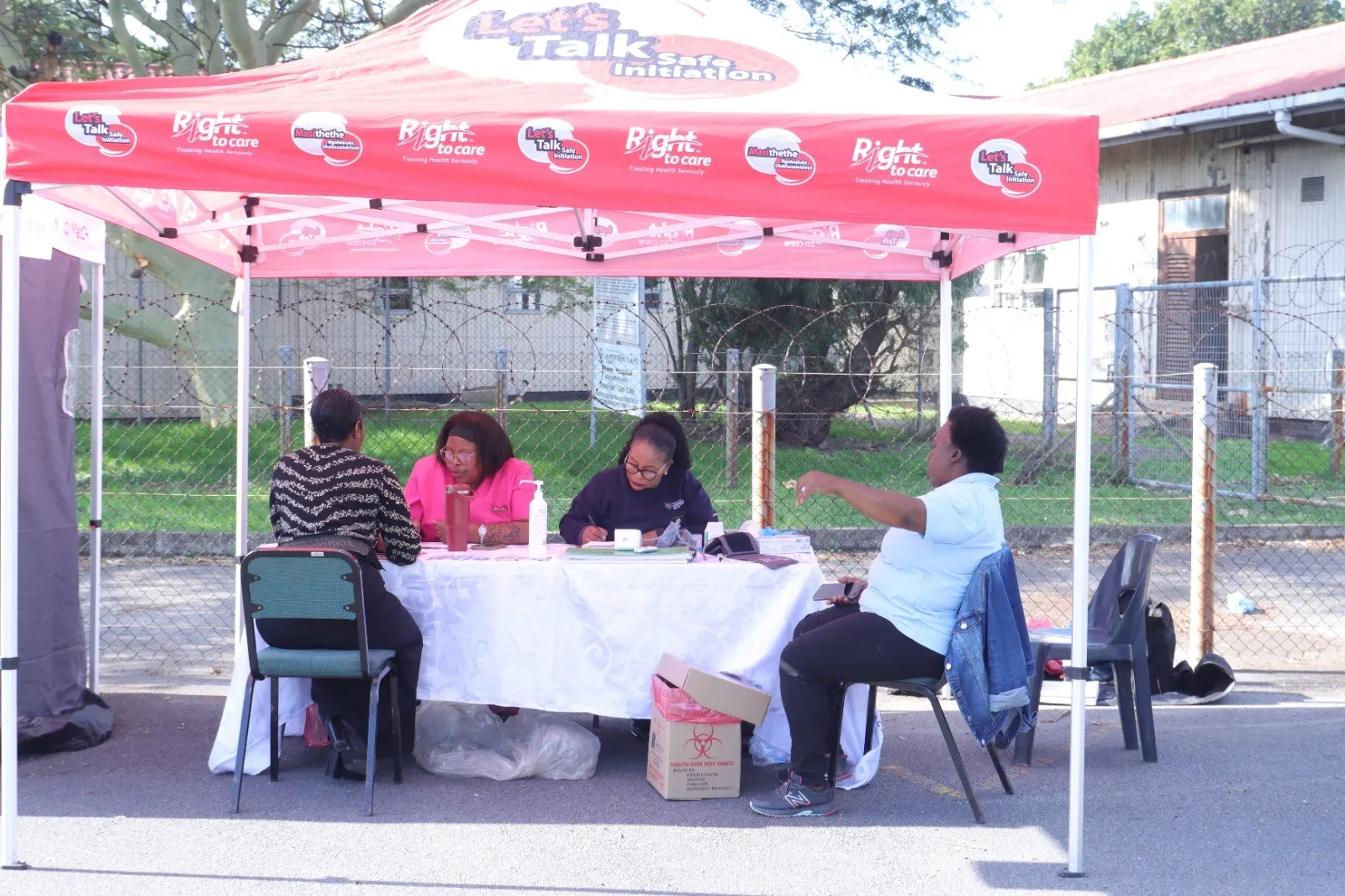
The appeal was made on Friday during the launch of TAPSOSA’s HIV, AIDS and TB Workplace Wellness Campaign in East London, where about 200 security officers underwent health screenings, counselling and awareness programmes aimed at improving access to healthcare for one of South Africa’s largest workforces.
The initiative, supported by the Safety and Security Sector Education and Training Authority (SASSETA) and the Eastern Cape Department of Health, forms part of a nationwide campaign designed to bring healthcare services directly to security officers, many of whom struggle to visit clinics because of demanding work schedules.
Addressing attendees, TAPSOSA President Jones Maphalaphathwa said improving healthcare for security officers cannot be separated from addressing the financial challenges facing the private security industry.
He said many security companies continue to battle with delayed payments from clients, while contracts are often awarded at rates that make it difficult for employers to pay decent wages.
“We are saying pay the security companies on time and pay them enough so that they can be able to pay salaries, so that officers are able to look after their families, take care of themselves and look after their health and wellbeing,” he said.
According to Maphalaphathwa, financial pressures on employers eventually affect workers, leaving many security officers earning salaries that make it difficult to support their families or prioritise their own health.
He said better remuneration would not only improve the quality of life of officers but would also help professionalise an industry that plays a critical role in protecting businesses, government facilities, hospitals, schools and communities across South Africa.
Maphalaphathwa said TAPSOSA was founded in 2016 by former security officers and employers who wanted to improve conditions within the industry after witnessing years of exploitation.
Having worked as a security officer himself before becoming a business owner, he said he understands first-hand the daily realities faced by guards.
“We have been fighting a battle that no one else wanted to fight. The industry has been exploited for a very long time,” he said.
He said many security business owners come from the same communities as the officers they employ and therefore understand the hardships experienced by workers.
“I have no right to exploit people who are my brothers and sisters. We know where they come from because we come from the same background,” he said.
Maphalaphathwa added that TAPSOSA has consistently advocated for improved salaries and better working conditions, arguing that meaningful reform of the private security industry cannot happen while officers continue earning low wages.
“Until we pay security officers enough so they can look after themselves and their families, the security industry will never be professionalised,” he said.
He also addressed recurring calls for government to insource private security services, saying such proposals fail to consider the scale of the industry.
Maphalaphathwa said South Africa currently has about 640,000 active private security officers whose employment contributes significantly to the country’s economy.
He argued that government would be unable to absorb such a large workforce into the public service and said efforts should instead focus on strengthening the private security sector while ensuring companies receive sustainable contracts.
“Our responsibility is to preserve these jobs and improve the lives of those working in the industry,” he said.
The workplace wellness campaign seeks to tackle another major challenge facing security officers — limited access to healthcare.
TAPSOSA spokesperson Sindiswa Changuion said the programme was developed after recognising that security officers are among the country’s most overlooked workers when it comes to accessing basic health services.
She said many guards work 12-hour shifts, often rotate between different sites and have little opportunity to visit clinics during normal operating hours.
Rather than expecting employees to find time to seek medical care themselves, TAPSOSA decided to bring healthcare directly to workplaces through mobile wellness campaigns.
The programme offers voluntary HIV testing and counselling, TB screening, blood pressure checks, general health assessments, referrals for treatment where necessary and educational sessions aimed at promoting healthier lifestyles.
An important part of the campaign is the establishment of a national network of more than 1,000 peer ambassadors who will educate colleagues about HIV, AIDS, TB and other health conditions while encouraging testing, treatment adherence and ongoing support.
Changuion said the response from security officers has been overwhelmingly positive.
“Many officers have told us this is the first time they have had access to these services at their workplace,” she said.
She added that bringing healthcare to employees helps remove barriers such as transport costs, time constraints and fear of losing income by taking time off work to visit health facilities.
Eastern Cape Department of Health representative Monwabisi Cobongela welcomed the initiative, saying private security officers play an important role in safeguarding hospitals, clinics and other public facilities across the province.
He acknowledged that private security companies operate within one of South Africa’s most heavily regulated industries and often carry compliance costs that are not always appreciated by those outside the sector.
His comments were welcomed by Maphalaphathwa, who said it was encouraging to hear a government representative publicly recognise the pressures facing security businesses.
“It is rare to hear a government official acknowledge and understand the challenges facing private security companies,” he said.
National coordinator Jackson Simon said the East London launch exceeded expectations, with strong support from employers who allowed security officers to attend during working hours.
“The event went better than we had planned. We appreciate the employers who bought into the programme and encouraged their employees to participate,” Simon said.
Healthcare professionals from the Eastern Cape Department of Health conducted HIV testing, TB screening, counselling and other health assessments throughout the day. Clinical services representative Busi Jele also educated participants on chronic diseases and preventative healthcare, while South African Sign Language facilitator Lulu Holweni ensured that information sessions were accessible to all attendees by providing interpretation and answering questions related to HIV, AIDS and TB.
Following successful launches in Johannesburg and East London, TAPSOSA said the workplace wellness campaign will continue expanding across the country, with the next programmes scheduled for Limpopo and the North West as the organisation seeks to improve both the health and working conditions of South Africa’s private security workforce.