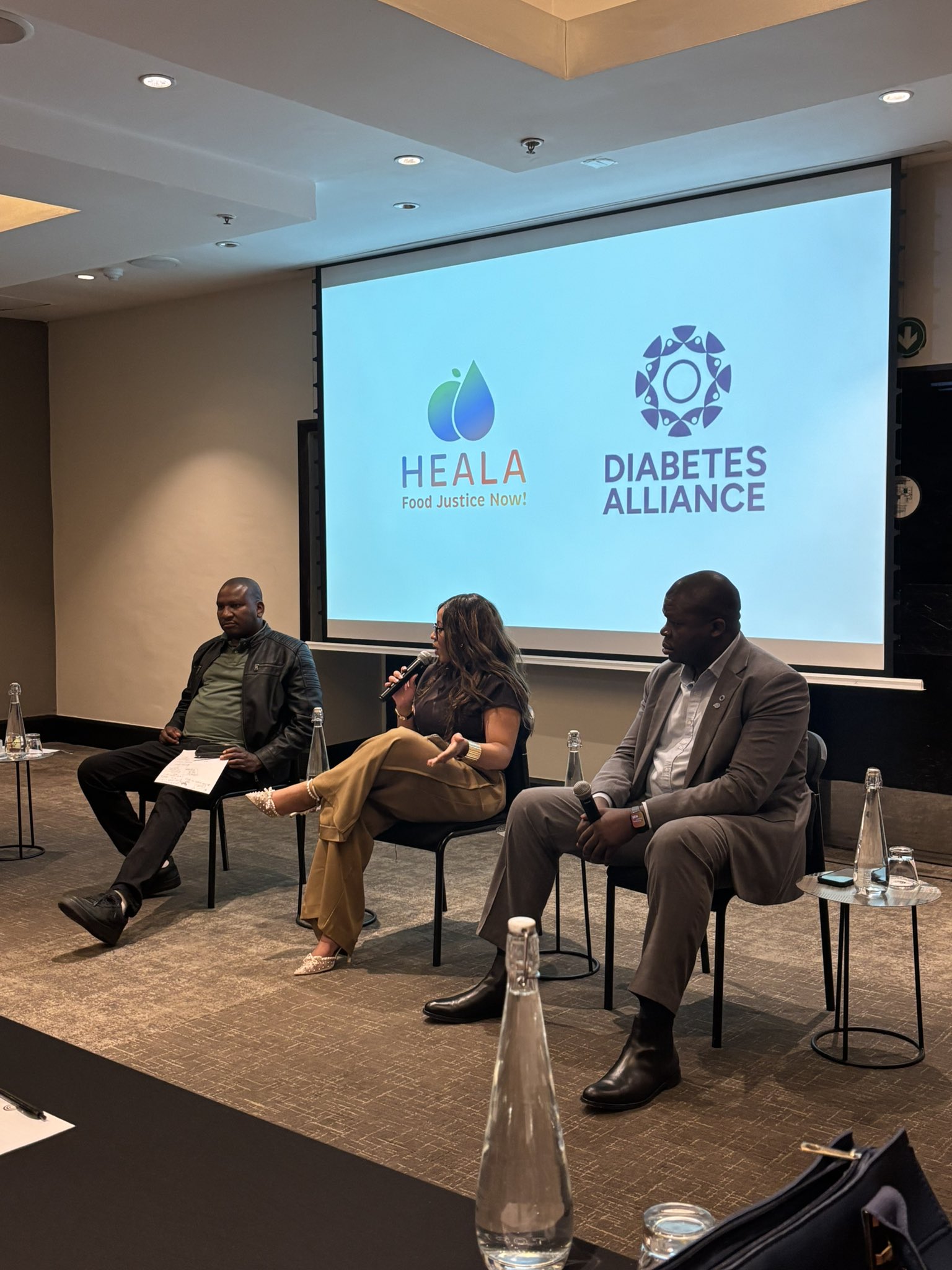
The media breakfast, moderated by Bongiwe Zwane, featured key voices including HEALA CEO Nzama Mbalati, Dr Patrick Ngassa Piotie, and diabetes activist Amanda Mashego. Image: Supplied.
Johannesburg
South Africa urged to act on diabetes crisis after Johannesburg declaration
Health advocates warn that despite progress, urgent action is needed to address rising diabetes cases and gaps in care following the landmark Johannesburg Declaration.

In a renewed push to tackle South Africa’s growing diabetes crisis, the Healthy Living Alliance (HEALA) has called for urgent, collective action following the finalisation of the Johannesburg Declaration for Accelerated Action on Diabetes.
The call comes after a high-level dialogue held at the Southern Sun Rosebank, where experts, activists, and stakeholders gathered to spotlight the challenges faced by more than four million South Africans living with diabetes.
The media breakfast, moderated by Bongiwe Zwane, featured key voices including HEALA CEO Nzama Mbalati, Dr Patrick Ngassa Piotie, and diabetes activist Amanda Mashego.
Speakers emphasised that diabetes remains one of the leading non-communicable diseases globally, with far-reaching health and economic consequences. Mbalati highlighted the Johannesburg Declaration’s vision of ensuring equal access to prevention and care for all South Africans, regardless of income or location.
“Commitments made in the declaration must not be allowed to gather dust,” Mbalati said, urging stronger collaboration between government, academia, and civil society.
Despite years of advocacy, concerns were raised over slow policy implementation and gaps in healthcare training. Dr Ngassa Piotie warned that inadequate education among medical professionals could mirror past failures seen in managing other public health crises, stressing the need to better equip both communities and future healthcare workers.
Although diabetes-related deaths have dropped significantly in recent years, the overall burden of the disease continues to rise. Panellists agreed that improved education, early intervention, and stronger support systems are essential to curb its impact.
Mashego, who was diagnosed in 2020, shared her personal struggles navigating the condition with limited support. She highlighted the challenges faced by young people living with diabetes, many of whom are forced to manage their condition with little guidance.
“I had to educate myself in real time,” she said, expressing frustration over what she described as a lack of adequate healthcare support and unfulfilled government promises.
The discussion also underscored the importance of including people living with diabetes in policymaking and called on both the public and private sectors to play a more active role in addressing the crisis.
As pressure mounts for accountability and reform, stakeholders say the Johannesburg Declaration must serve as more than a symbolic commitment, but rather a catalyst for meaningful and sustained action against diabetes in South Africa.