Mali, Niger and Burkina Faso strengthen Sahel Alliance at Bamako Summit
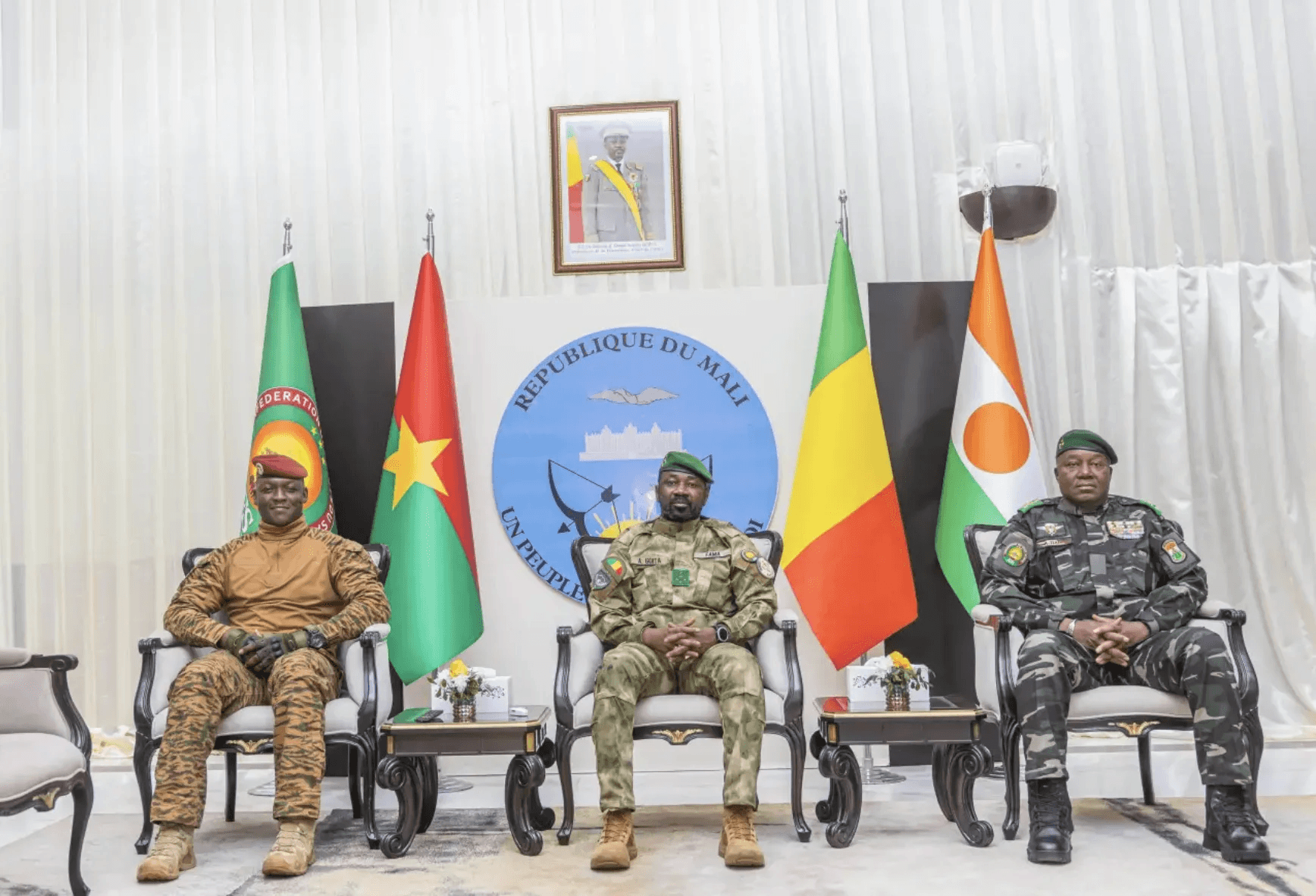
Leaders of Mali, Niger and Burkina Faso have met in Bamako for the second Alliance of Sahel States summit, focusing on security cooperation, economic development and regional autonomy. The gathering provided an opportunity to launch a new broadcaster and advance joint military efforts against extremism.
The heads of state of Mali, Niger and Burkina Faso have met in Bamako for a key summit of the Alliance of Sahel States, signalling their determination to deepen cooperation on defence, security and regional autonomy.
The two-day gathering brought together leaders of the three Sahel countries, which formed the alliance in 2023 after withdrawing from the Economic Community of West African States. At the summit they reviewed progress in strengthening collective efforts to address shared challenges such as terrorism, underdevelopment and external pressures.
A major development during the talks was the launch of a new Alliance of Sahel States television broadcaster, intended to promote the bloc’s narrative and counter what leaders describe as disinformation. The media platform is seen as part of efforts to assert regional sovereignty in public communication.
Security collaboration was high on the agenda, with member states reaffirming their commitment to joint action against extremist groups that have destabilised large parts of the Sahel. The alliance has already established a unified military force, and summit discussions emphasised the importance of conducting large-scale operations and intelligence-sharing to confront militant threats.
Leaders also discussed economic cooperation and strategies to reduce reliance on external actors. Officials noted the potential for increased development in agriculture, mining and regional trade, aiming to harness the Sahel’s resources for the benefit of local populations.
The summit continues a pattern of closer integration among the three nations, who have moved to assert autonomy following political upheavals and military coups. As part of this, they have introduced their own travel documents and pursued policies they say strengthen sovereignty and self-determination.