Belgium
Belgium joins South Africa’s genocide case against Israel at International Court of Justice
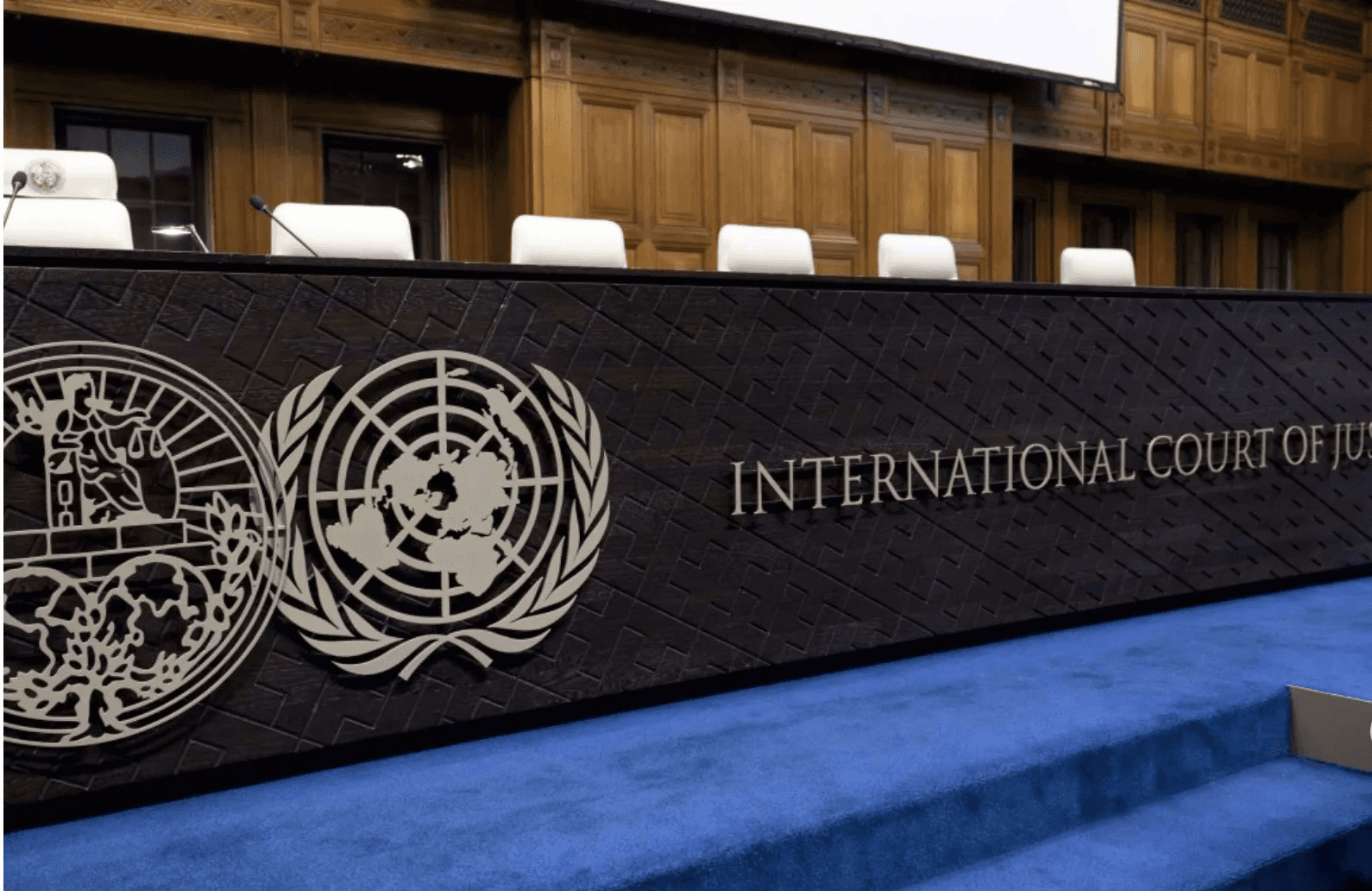
Belgium has filed a formal declaration to intervene in South Africa’s genocide case against Israel at the International Court of Justice in The Hague. The move adds to international engagement in the legal battle over alleged violations of the Genocide Convention in Gaza and invites written responses from both parties.
Belgium has officially joined South Africa’s genocide case against Israel at the International Court of Justice, filing a declaration of intervention that can shape how the world’s highest judicial body interprets the Genocide Convention.
The International Court of Justice confirmed on Tuesday that Belgium lodged its declaration of intervention under Article 63 of the court’s statute, which allows states that are parties to a convention under interpretation in ongoing proceedings to participate in the case.
South Africa brought the case in December 2023, alleging that Israel’s military campaign in the Gaza Strip violated obligations under the 1948 United Nations Genocide Convention. The lawsuit argues that certain acts in the conflict meet the convention’s definition of genocide. Israel has rejected the allegations and criticised the case as politically motivated.
Belgium’s intervention focuses on key provisions of the Genocide Convention, including how the treaty’s language on genocidal intent is interpreted. The country emphasised its interest in clarifying legal standards that apply when assessing allegations of genocide, particularly in armed conflict settings.
Several other countries have already joined or filed declarations to participate in the case, reflecting growing international engagement. Brazil, Colombia, Ireland, Mexico, Spain and Turkey are among the nations that have previously joined South Africa’s proceedings at the UN court.
Under court rules, both South Africa and Israel are now invited to submit written observations on Belgium’s intervention. This step is part of the legal process as the case unfolds, which could take years before a final ruling is reached.
The ICJ has previously issued provisional measures in the case, requiring Israel to take steps to prevent acts that could amount to genocide and to allow unimpeded humanitarian access to Gaza. These orders are legally binding but the court lacks direct enforcement mechanisms.