

Nkabinde Inquiry
Batohi’s admission intensifies scrutiny at Chauke fitness inquiry
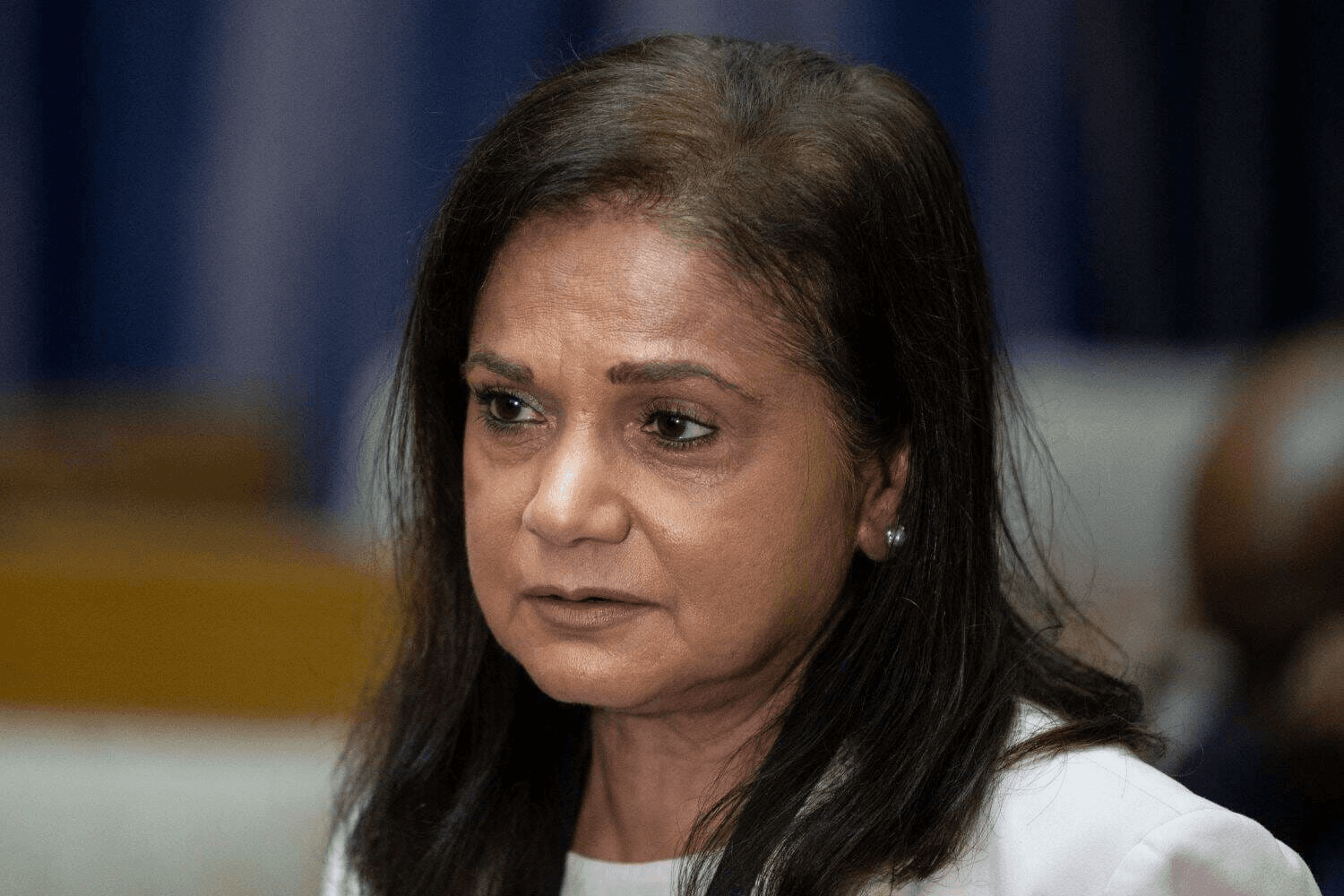
NPA head Shamila Batohi has confirmed she did not read the full Booysen docket before withdrawing racketeering charges against the former Hawks boss and the Cato Manor unit. The revelation has drawn sharp criticism at the inquiry into Andrew Chauke’s fitness to hold office.
National Prosecuting Authority head Shamila Batohi has come under renewed scrutiny after confirming that she did not read the full docket in the high profile case against former KwaZulu Natal Hawks boss Johan Booysen before withdrawing the charges.
Batohi made the admission during proceedings at the inquiry into the fitness of South Gauteng prosecutions head Andrew Chauke. The inquiry is examining whether Chauke acted improperly in his handling of the case and whether the original authorisation for racketeering charges was valid.
Senior counsel Tembeka Ngcukaitobi, appearing for Chauke, pressed Batohi on whether she had personally examined the evidence before setting aside the charges. Batohi responded that she had relied on the advice of a review panel and senior prosecutors who assessed the validity of the authorisation.
Ngcukaitobi described her answer as deeply concerning. He argued that the head of the NPA should apply her mind independently when dealing with cases of such gravity, especially where the implications extend beyond the accused and affect public confidence in the prosecuting authority.
Batohi maintained that it is not the practice for the National Director to read every docket and that she had acted within accepted internal processes. She insisted the decision was based on technical flaws in the authorisation and on guidance from her team.
However the admission has stirred debate within legal circles. Analysts say the concession could weaken public trust in the NPA at a time when the institution faces intense pressure to demonstrate accountability and consistency in its decision making.
The inquiry, chaired by former justice Bess Nkabinde, is expected to continue questioning senior NPA officials as it examines the circumstances surrounding the Booysen matter. The findings are likely to carry significant implications for both the leadership of the NPA and the future handling of politically sensitive cases.