


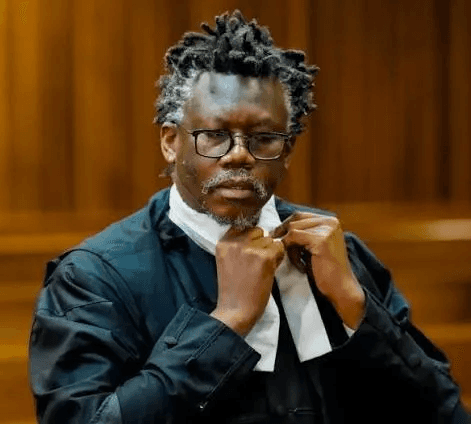

Tembeka Ngcukaitobi
Ngcukaitobi challenges NDPP Batohi over disciplinary action against Chauke
At the ongoing inquiry into Andrew Chauke’s fitness to hold office, counsel Tembeka Ngcukaitobi sharply criticised NDPP Shamila Batohi for tying Chauke to “state-capture” without direct evidence. The exchange exposed flaws in the case and raised fresh questions about the disciplinary process.
At the inquiry convened to assess whether Andrew Chauke remains fit to serve as Director of Public Prosecutions for South Gauteng, veteran human-rights lawyer Tembeka Ngcukaitobi challenged the foundation of the disciplinary charges laid by NDPP Shamila Batohi. The hearing was marked by sharp exchanges over allegations of misconduct, political interference and the evidentiary basis for action against Chauke.
Ngcukaitobi accused Batohi of “poisoning the waters” by linking Chauke to state capture when she had no personal knowledge of his involvement. “It was grossly irresponsible of you to mention state capture … when you have no evidence,” he told the inquiry panel.
Batohi responded that she invoked the term to explain the broader context in which she acted, saying her referral of irregular prosecutions aimed to expose systemic problems within the prosecuting authority.
The inquiry, established by President Cyril Ramaphosa, stems from serious concerns about Chauke’s decision-making, including his 2024 push to charge former KwaZulu-Natal Hawks head Johan Booysen with racketeering, despite a lack of evidence, and his earlier withdrawal of charges against former Crime Intelligence head Richard Mdluli in a high-profile murder case. Critics say those moves undermined public trust in the National Prosecuting Authority (NPA).
Batohi conceded during her testimony that one of the terms of reference for the inquiry was flawed. She admitted she had not themselves studied the full case docket against Booysen before withdrawing charges, raising fresh doubts about the thoroughness of the prosecution’s internal review.
Ngcukaitobi seized on that admission, arguing the NPA head’s reliance on a report rather than direct evidence made the disciplinary action arbitrary. He said expectations placed on senior prosecutors to approve serious charges meant any oversight must meet the highest standard — not be based on sweeping references to “state capture.”