



Two elderly tourists have died after falling ill with a severe respiratory-related infection linked to an international cruise. Image: X
Hantavirus
1Min
South Africa
Two tourists die as rare infection case linked to cruise ship sparks health alert
Two elderly tourists have died after falling ill with a severe respiratory-related infection linked to an international cruise, prompting health authorities to intensify monitoring and contact tracing efforts.

The Department of Health has confirmed the deaths of two tourists who developed severe acute respiratory infections while travelling aboard an international cruise ship, raising concerns about a rare infectious disease.
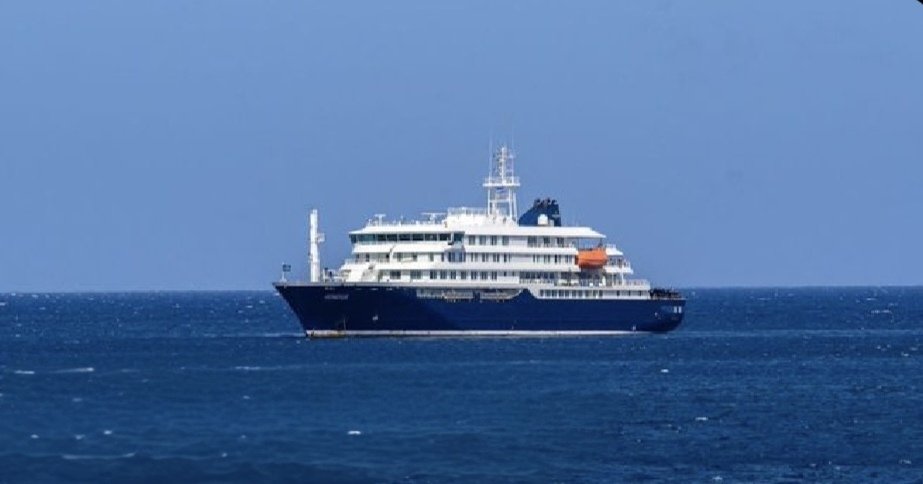
The department said in a statement on Monday that the cases were reported by the National Institute for Communicable Diseases (NICD) following an incident involving the cruise vessel MV Hondius, which was travelling from Ushuaia in southern Argentina to the Canary Islands via Cape Verde.
The first victim, a 70-year-old male tourist from the Netherlands, became ill during the voyage between Ushuaia and St Helena Island. He presented with symptoms including fever, headache, abdominal pain, and diarrhoea. He later died upon arrival at St Helena, where his remains are currently being held pending repatriation.
The second victim, his 69-year-old wife, collapsed at OR Tambo International Airport while in transit back to the Netherlands. She was rushed to a medical facility in Kempton Park but later succumbed to her illness. Her laboratory test results are still outstanding.
A third passenger, a British national, also fell ill during the journey and was later evacuated to a private hospital in Sandton after his condition worsened. Tests have confirmed that he is infected with Hantavirus, a rare but potentially deadly virus primarily transmitted by rodents. He remains in critical condition in isolation.
The cruise ship, carrying approximately 150 tourists from multiple countries, had departed about three weeks ago and travelled past several remote locations including mainland Antarctica, the Falkland Islands, South Georgia, Nightingale Island, Tristan da Cunha, St Helena, and Ascension Island.
Health authorities in South Africa, working alongside the NICD and the Gauteng Department of Health, have initiated contact tracing to identify and monitor individuals who may have been exposed to the virus.
Despite the developments, officials have reassured the public that there is no immediate cause for panic, noting that only two of the affected individuals had been within South African borders.
The World Health Organization is coordinating a multi-country response to contain any potential spread of the infection across affected regions.