

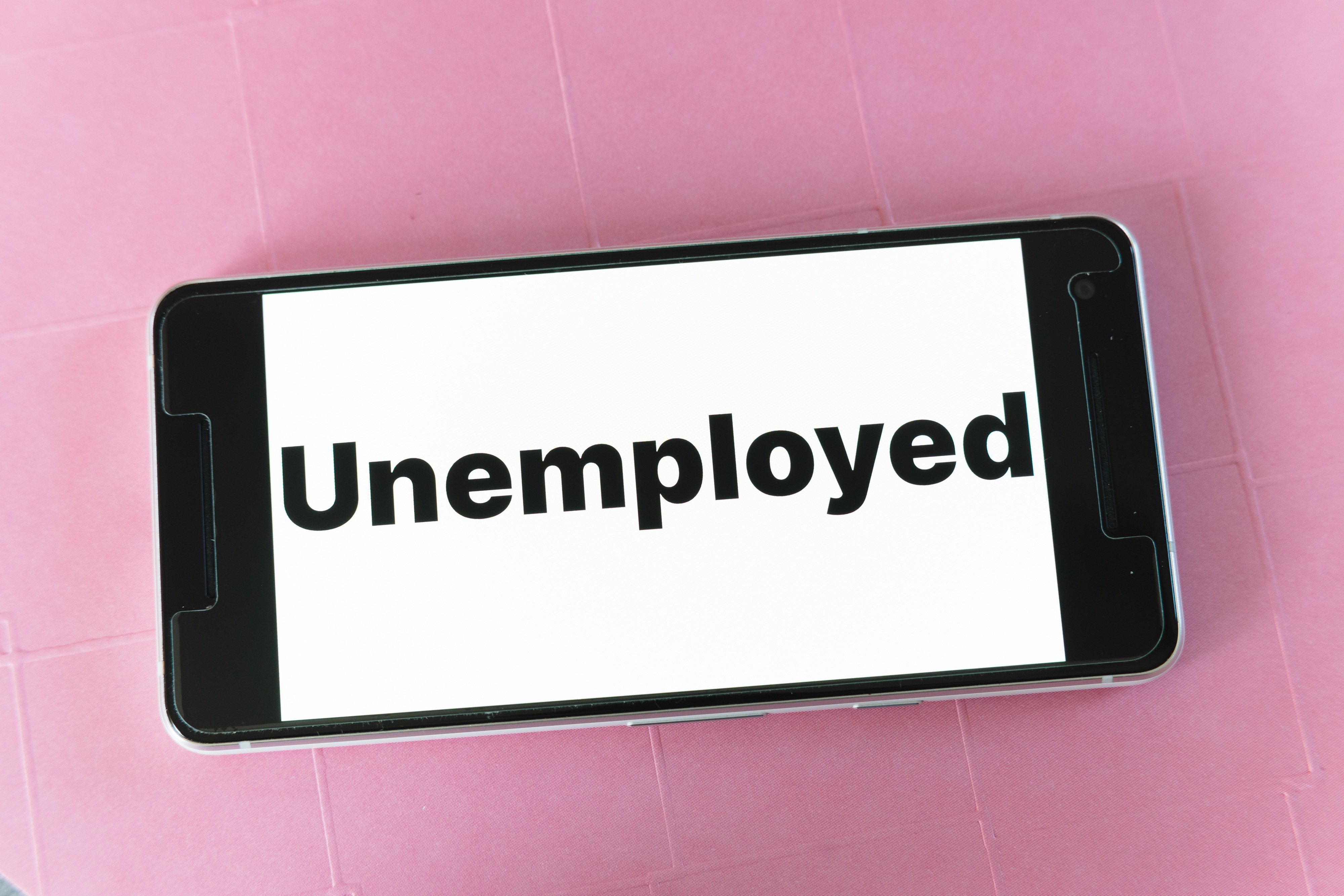
South Africa’s unemployment rate climbed to 32.7% in the first quarter of 2026. Image: Pixabay
South Africa
1Min
South Africa
South Africa’s unemployment rate rises to 32.7% in first quarter of 2026
South Africa’s unemployment rate climbed to 32.7% in the first quarter of 2026 after the economy shed 345,000 jobs, although sectors such as trade, finance and community services continued employing more young people.

South Africa’s official unemployment rate increased to 32.7% in the first quarter of 2026, as the country recorded sharp job losses despite stronger youth employment in sectors such as trade, finance, and community and social services.
According to the latest Quarterly Labour Force Survey (QLFS), the number of employed people declined by 345,000 to 16.8 million between the fourth quarter of 2025 and the first quarter of 2026. During the same period, the number of unemployed people rose by 301,000 to 8.1 million.
The labour force decreased by 44,000 overall, contributing to the unemployment rate rising by 1.3 percentage points from 31.4% in the previous quarter.
The data also showed a growing number of discouraged work-seekers, which increased by 178,000 to 3.9 million people. Other available job-seekers rose by 55,000 to 910,000, while unavailable job-seekers increased slightly to 49,000.
As a result, the country’s potential labour force population grew by 240,000 to 4.9 million people. Meanwhile, the number of people outside the labour force for reasons unrelated to job-seeking declined by 75,000 to 12.4 million.
Overall, the total number of people outside the labour force increased by 164,000 to 17.3 million during the first quarter.
Despite the worsening unemployment picture, youth employment remained concentrated in industries such as trade, community and social services, and finance, which continued to absorb more young workers compared to other sectors.
Other measures of labour underutilisation also worsened during the quarter. The combined unemployment and time-related underemployment rate increased to 35.9%, while the expanded unemployment measure which includes discouraged work-seekers climbed to 43.7%.
The broadest measure of labour underutilisation rose to 46.3%, highlighting continued pressure on South Africa’s labour market and the growing number of people struggling to find stable employment.