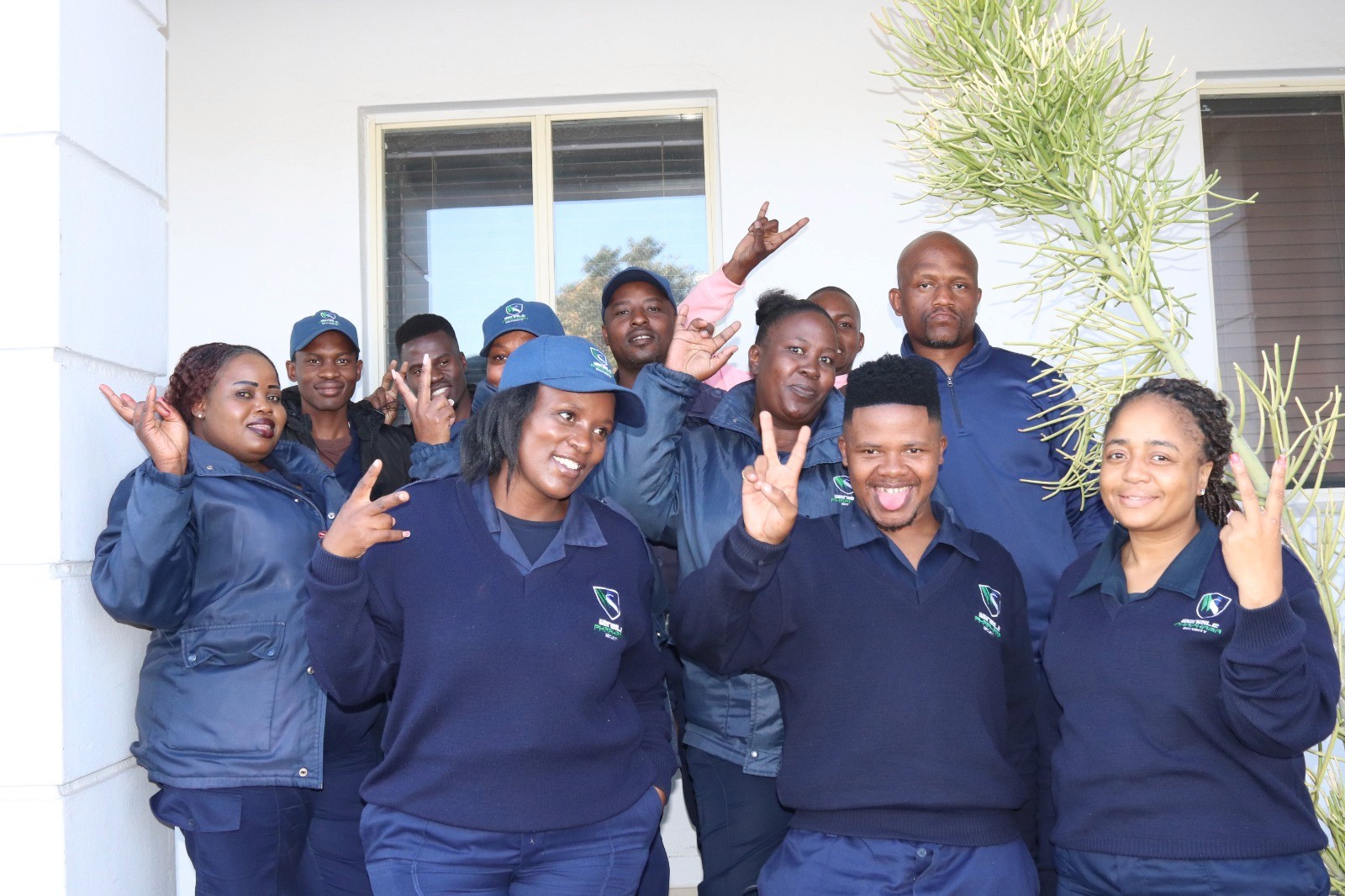

The TAPSOSA supported by SASSETA, officially launched a nationwide TB, HIV and AIDS workplace intervention programme focused specifically on private security officers. Image: Supplied.
TAPSOSA
1Min
South Africa
Security guards finally feel seen as TAPSOSA launches TB and HIV wellness campaign
Private security officers working long shifts under stressful and often disrespectful conditions were placed at the centre of a groundbreaking TB and HIV wellness campaign launched by TAPSOSA and SASSETA in Johannesburg. The initiative aims to improve healthcare access, fight stigma and restore dignity to security guards.

For years, security officer Siyabonga Nxumalo has spent most of his days standing at entrances, watching people rush in and out of buildings without ever noticing him.
Like thousands of private security guards across South Africa, his job demands patience, discipline and constant alertness. Some days he works long shifts on his feet with little rest, only to face insults, disrespect and pressure from frustrated members of the public.
“We are often treated as if we are not important,” Nxumalo said quietly.
“But we are human beings too.”
On Wednesday in Johannesburg, security officers like Nxumalo finally found themselves at the centre of attention not because of a crime or emergency, but because of a groundbreaking employee wellness campaign aimed at protecting their health and restoring dignity to one of the country’s most overlooked workforces.
The Association of Private Security Owners of South Africa (TAPSOSA), supported by the Safety and Security Sector Education and Training Authority (SASSETA), officially launched a nationwide TB, HIV and AIDS workplace intervention programme focused specifically on private security officers.
The initiative introduces what organisers describe as the first workplace-centred prevention-to-care model tailored for the private security sector.
For many officers attending the launch, the campaign represented something deeply personal: recognition.
Throughout the event, officers spoke openly about the emotional and physical strain of security work — long hours, night shifts, poor eating schedules, stress, fatigue and exposure to dangerous environments.
Despite these challenges, they remain the first people visitors encounter at hospitals, schools, shopping centres, banks and office buildings.
TAPSOSA President Jones Maphalaphathwa said security officers often carry enormous responsibility while silently battling health and social challenges.
“These officers protect communities, businesses and institutions every day, yet many struggle to access healthcare because of the nature of their work,” he said.
Maphalaphathwa explained that irregular working hours and constant movement between sites place many security officers at higher risk of contracting illnesses such as tuberculosis and HIV.
He said stigma surrounding HIV and TB also discourages workers from seeking treatment or discussing their health concerns openly.
“This project is about taking healthcare directly to the workers,” he said.
“We want security officers to know that their lives matter and their wellbeing matters.”
The campaign will deploy more than 1,000 trained peer ambassadors nationally to educate workers, encourage voluntary testing and provide support within workplaces.
Maphalaphathwa said peer-led support was important because workers were more likely to trust colleagues who understood the realities of the industry.
He also stressed that workers themselves must help shape the programme.
“We do not want policies imposed on employees without consultation,” he said. “This is their programme and their voices must be heard.”
TAPSOSA Treasurer General Thulani Skosana described the initiative as a major shift in how the private security industry views its workforce.
“This is the first campaign of its kind in the industry,” he said.
“It shows that we are not only concerned about business owners and employers, but also about the health of employees.”
Skosana said the demanding nature of security work requires officers to remain physically and mentally alert at all times.
“When someone works for 12 hours, they need to be healthy and mentally focused,” he said.
“Security officers are responsible for protecting lives and property. Their health affects how they perform their duties.”
During the launch, healthcare professionals conducted HIV testing, blood pressure checks and other health screenings for officers attending the event.
Around 200 participants underwent voluntary screenings.
For some, it was their first health check-up in years. Donald Senokwanyana from Mjayeli Security Services in Merafong described the programme as eye-opening.
“We must not be afraid to check our status,” he said. “Not knowing is dangerous. It is better to know whether you are healthy or sick.”
A strong message of support also came from the Private Sector Workers Trade Union (PSWNTU). General Secretary Mzobanzi Ndabana said security officers are often disrespected despite the critical role they play in society.
“There is nothing we can do without security guards,” Ndabana said.
“People insult them at workstations and sometimes treat them unfairly, but they continue serving professionally every day.”
He encouraged officers not to lose confidence in themselves despite the daily pressures they face.
Campaign national coordinator Jackson Simon said the initiative seeks to change how the industry views security officers.
“Security officers are not liabilities — they are assets,” Simon said.
“When we invest in their health, we strengthen the entire industry.”
Simon added that the programme would also help extend healthcare awareness into communities and families connected to security officers.
As the event concluded, many officers lingered around the screening stations, speaking to healthcare workers and fellow guards.