

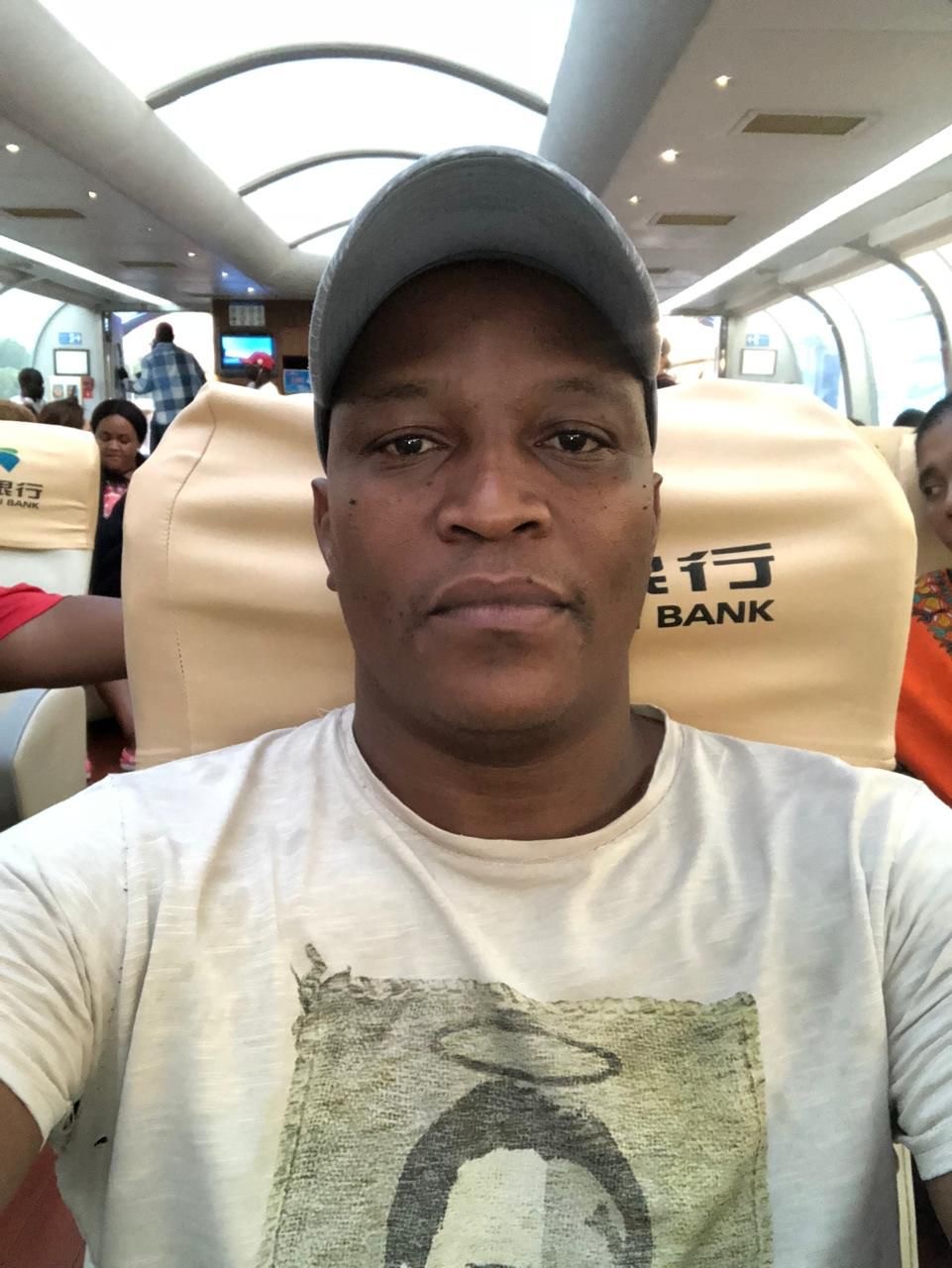
Zakhele Khuzwayo, a former senior official at the Department of Home Affairs and Director of Information Systems Security. Image: Supplied
Home Affairs
1Min
South Africa
Punished for refusing corruption: Former Home Affairs employee says integrity cost him everything
Zakhele Khuzwayo alleges that shortly after refusing the offer, complaints accusing him of corruption, collusion, and misconduct were lodged against him by Foursight. He claims the Department of Home Affairs accepted these allegations without conducting a fair or proper investigation.

For years, Zakhele Khuzwayo says he has been stranded in a painful limbo, without justice, employment, or access to his pension, after allegedly becoming the target of retaliation for refusing a tender-related bribe.
Khuzwayo, a former senior official at the Department of Home Affairs and Director of Information Systems Security, alleges that his downfall began during the awarding of tender DHA02-2021 in April 2021.
The tender was awarded to Foursight IT Business Solutions CC, allegedly linked to Johanna Phenya, wife of the late businessman Eric Phenya. Under the agreement, Foursight allegedly appointed Aim Right Trading 102 CC as a subcontractor in a 70/30 partnership arrangement.
At the centre of the controversy is Khuzwayo’s claim that he rejected an alleged bribe in the form of an all-expenses-paid trip to Greece for himself and his wife. According to him, his refusal marked the beginning of a sustained campaign aimed at removing him from the department and discrediting his name.
Khuzwayo alleges that shortly after refusing the offer, complaints accusing him of corruption, collusion, and misconduct were lodged against him by Foursight. He claims the Department of Home Affairs accepted these allegations without conducting a fair or proper investigation.
He further alleges that surveillance tactics were used against him and that auditing firm BDO was brought in to build a case that would justify his removal. The situation allegedly escalated when then Minister of Home Affairs, Aaron Motsoaledi, informed Parliament’s Portfolio Committee on Home Affairs that Khuzwayo had been dismissed for corruption.
Khuzwayo maintains that at the time of the public statement, no disciplinary hearing had been concluded and no finding of corruption had been made against him. He argues that the statement severely damaged his reputation and amounted to public defamation.
Under mounting pressure and public scrutiny, Khuzwayo eventually resigned. Yet, according to him, the consequences did not end there. He alleges that his name was subsequently blacklisted on PERSAL, effectively preventing him from securing future employment within the public sector. He also claims that his pension benefits remain frozen, leaving him financially crippled.
Adding to his frustration, Khuzwayo alleges that bargaining councils and institutions that were meant to provide recourse have delayed or obstructed his attempts to seek accountability and justice. Years later, he says he remains trapped in uncertainty, unable to rebuild his career or restore his name.
To Khuzwayo, his experience reflects a deeper crisis within public institutions one where individuals who resist corruption allegedly face isolation, humiliation, and financial ruin, while powerful interests remain protected.