



Leon Schreiber
1Min
South Africa
Minister confirms no Palestinian travelers sought asylum after arrival in Johannesburg
South Africa's immigration stance to accommodate humanitarian crises has once again come under the spotlight following last month's mysterious landing of 153 Palestinian refugees.

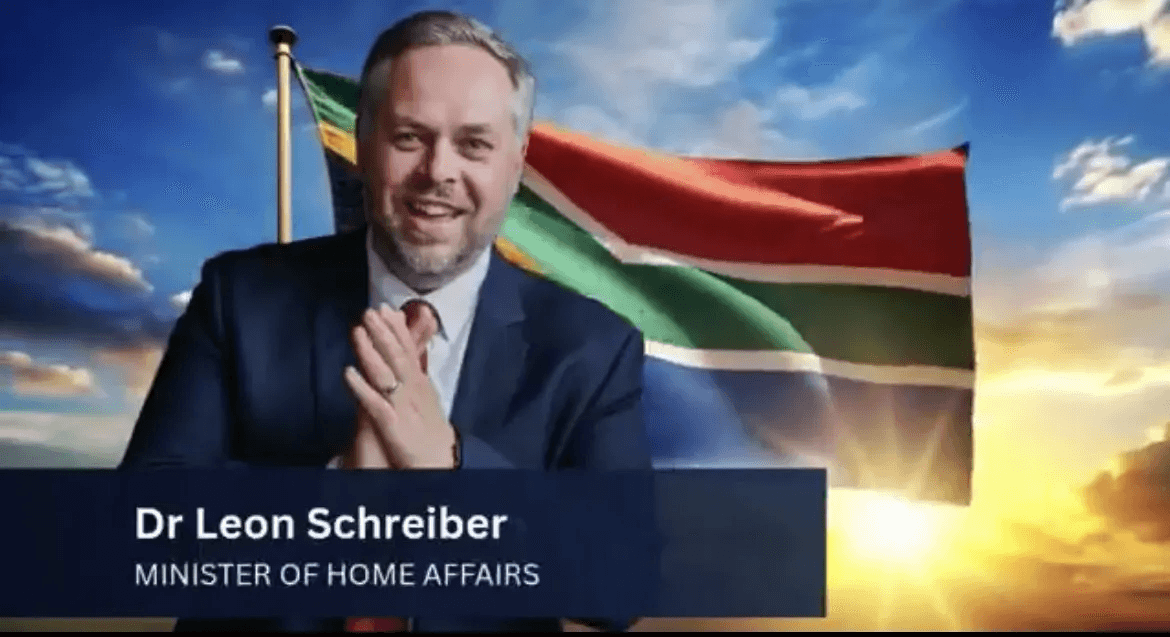
South Africa's Home Affairs Minister, Leon Schreiber has revealed that none of the 153 Palestinian travelers who arrived at OR Tambo International Airport last month requested asylum upon their landing.
Last month, the department of home affairs authorised the passengers to get off the plane after a local humanitarian organisation guaranteed to provide the passengers with accommodation during their stay in South Africa if needed.
The incident resulted in controversy after a chartered plane carrying 153 Palestinians landed shortly after 8am (06:00 GMT) on Thursday, 14 November, with the passengers kept on the aircraft by members of the Border Management Authourity (BMA) as they did not have departure stamps from Israel on their passports.
The Minister's remarks this week came in response to a question posed by Al Jama-ah Member of Parliament, Imraan Ismail-Moosa, and were documented in a written reply to Parliament.
The group of Palestinian nationals touched down in Johannesburg on the 13th of September, drawing immediate attention due to the ongoing humanitarian crises in the region. However, among the arrivals, only 23 individuals presented the necessary documentation and secured confirmations of accommodation as stipulated under the stringent guidelines of the Immigration Act. This left the remaining passengers unable to be processed initially, highlighting the complexities surrounding immigration and refugee protocols in South Africa.
In light of the situation, Minister Schreiber indicated that he had engaged with the Border Management Authority to explore options for admitting the remaining passengers on humanitarian grounds. This measure included potential support from the well-known charitable organisation, Gift of the Givers, which has earned respect for its humanitarian efforts across various crises in South Africa and the broader African continent.
This incident raises broader questions about the immigration policies in South Africa, particularly concerning humanitarian relief efforts. The international community is closely watching responses to such instances, reflective of the country's position in global humanitarian affairs as well as its domestic immigration regulations.
The interaction in Parliament not only reflects the Government's stance on this specific incident but also indicates a willingness to address humanitarian crises while adhering to national laws.