



EFF
1Min
South Africa
Inside Malema’s pre-sentencing hearing: What courts consider and what gets ignored
Julius Malema’s pre-sentencing hearing drew attention to how South African courts weigh factors before imposing prison terms. Legal experts say judges consider personal circumstances, remorse and societal impact, but may set aside political motives and rhetoric. The session offered insight into judicial balance ahead of sentencing.
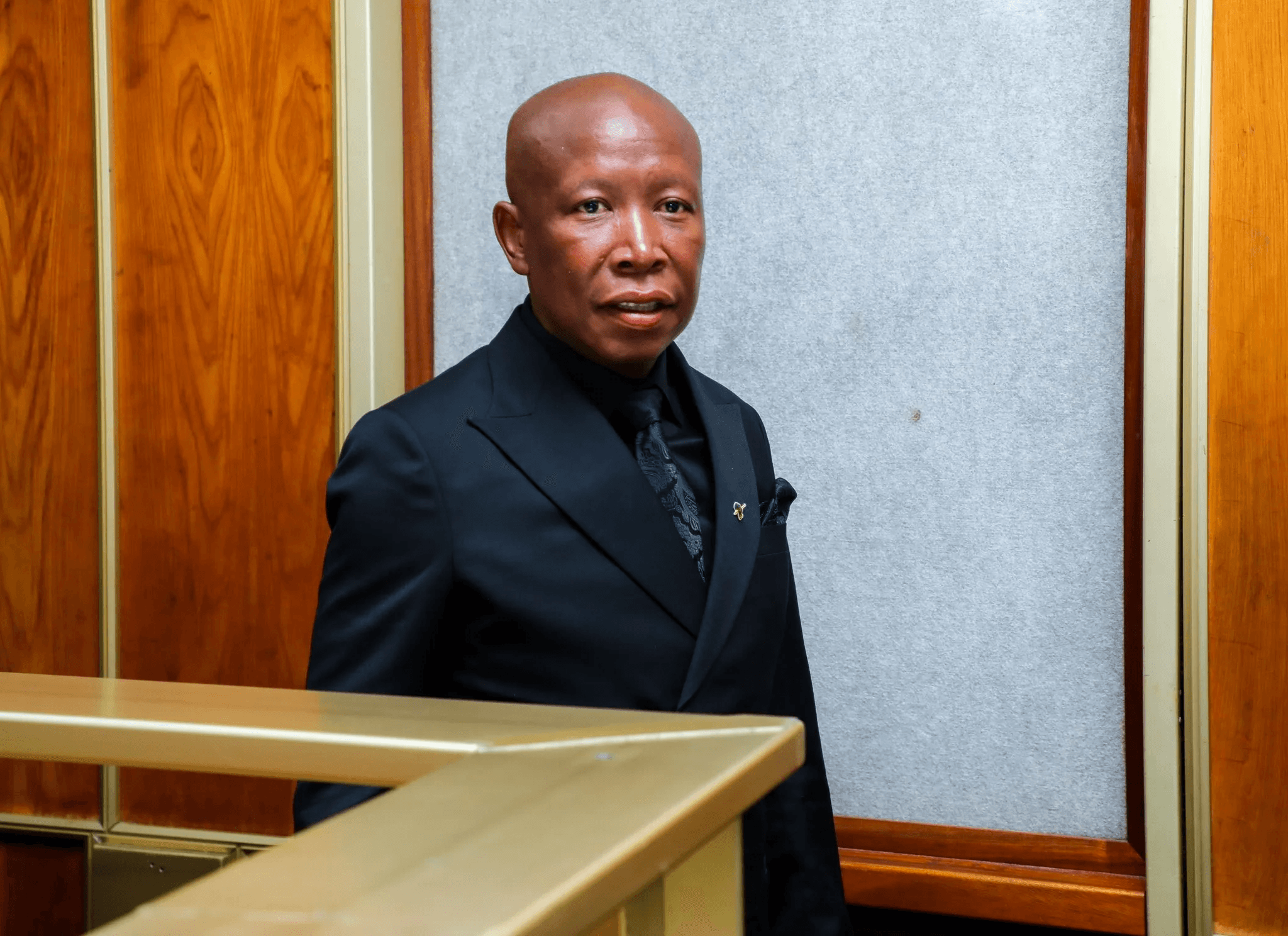
As the pre-sentencing hearing for EFF leader Julius Malema unfolded in court on Friday, legal experts and observers gained a clearer picture of how South African judges weigh factors before imposing a prison sentence.
Malema appeared in East London High Court ahead of his sentencing on fraud and corruption convictions linked to a 2011 R218 million agricultural project in Limpopo. The pre-sentencing hearing, held before Judge Ronald Hendricks, focused on submissions from both defence and state advocates on factors the court should consider when determining an appropriate sentence.
Under South African law, courts take into account a mix of aggravating and mitigating factors. Aggravating elements may include the seriousness of the offence, the breach of trust involved and the broader impact on society. In Malema’s case, prosecutors argued the need to uphold the rule of law and send a strong deterrent message against corruption, especially given the high profile of the accused.
The defence countered by highlighting Malema’s personal circumstances, including his family responsibilities, contributions to community causes and limited previous criminal history. Defence lawyers also drew attention to political attacks Malema has faced, urging the court to separate political rhetoric from legal liability.
Legal analysts who followed the hearing said judges typically consider expressions of remorse, likelihood of reoffending, prospects for rehabilitation and the need to protect the public. They also noted that longstanding calls for accountability in corruption cases may weigh heavily in the state’s favour.
However, experts emphasised that the court is unlikely to factor in purely political language or intentions unrelated to the criminal conduct itself. “The judiciary focuses on the objective conduct and the social harm caused,” said one senior advocate. “Political identity or public persona should not influence sentencing.”
The pre-sentencing process allows both sides to present evidence and argument on the personal profile of the accused and the broader context of the offending. Victim impact statements, when relevant, may also be considered.
Observers say the Malema case could become a reference point in discussions about consistency in sentencing for political figures and high-profile defendants. Differences in how courts treat similar cases may shape public perceptions of fairness and equality before the law.
Judge Hendricks has not yet indicated when he will hand down sentence, but legal watchers expect a ruling in the coming weeks. Whatever the outcome, the session underscored the careful balance that courts must strike between punishment, deterrence and rehabilitation.