

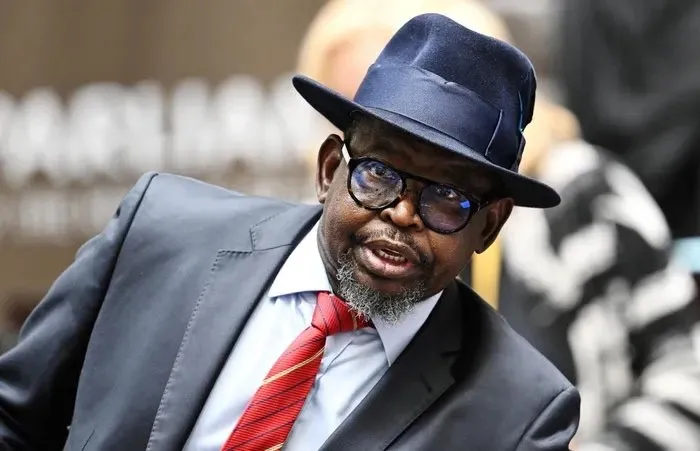
Finance Minister Enoch Godongwana has called on SADC member states to strengthen regional cooperation. Image: Supplied.
SADC
1Min
South Africa
Godongwana urges SADC to unite on industrialisation and trade amid global economic uncertainty
Finance Minister Enoch Godongwana has called on SADC member states to strengthen regional cooperation, boost industrialisation and adopt coordinated economic policies to shield the region from global economic shocks.

Finance Minister Enoch Godongwana has urged Southern African Development Community (SADC) member states to deepen regional cooperation and accelerate industrialisation to strengthen the region's resilience against growing global economic uncertainty.
Addressing the SADC Committee of Ministers of Finance and Investment meeting in Harare, Zimbabwe, on Thursday, Godongwana said the region must adopt coordinated and forward-looking economic policies to improve competitiveness and reduce vulnerability to external shocks.
He said SADC countries should capitalise on their critical mineral resources to drive industrialisation, while strengthening food security through greater cooperation in agriculture and agro-processing. He also called for deeper intra-regional trade integration and investment in resilient infrastructure and supply chains.
Godongwana stressed that achieving these goals would require strong political leadership, better institutional coordination and a greater focus on implementing agreed regional priorities.
Among the key interventions he identified were trade facilitation reforms, the development of transport and logistics corridors, improved cross-border digital payment systems and reducing the cost of remittances across the region.
The Finance Minister also cautioned that declining international development assistance presents a growing challenge for SADC economies, particularly as donor funding to Sub-Saharan Africa continues to fall.
He said the region must adopt more sustainable financing models by expanding the use of blended finance, public-private partnerships and increased private sector investment to reduce dependence on external aid.
Citing estimates by the International Monetary Fund, Godongwana said bilateral aid to developing countries could decline by between 16% and 28% from 2025. He warned that the reductions are broad-based, unpredictable and likely to have a disproportionate impact on the region's poorest and most fragile countries.
Godongwana said the changing global financial landscape underscores the need for SADC to pursue long-term economic transformation through stronger regional integration and diversified sources of development finance.