



Portia Phahlane
1Min
South Africa
FOSA demands judge lifestyle audits
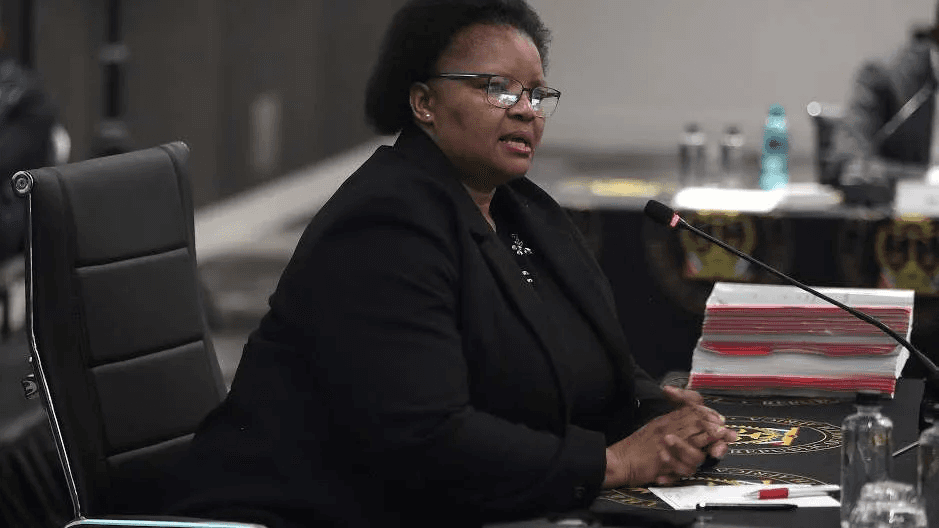
The Forum for South Africa has called for a full lifestyle audit of Judge Portia Phahlane and other judicial officers following arrests linked to corruption and money laundering in the International Pentecostal Holiness Church succession dispute.

The civil society group Forum for South Africa (FOSA) has renewed urgent calls for a full lifestyle audit of Portia Phahlane and any other judicial officers, following the arrest of Phahlane and three co‑accused in a high‑profile corruption and money‑laundering case tied to the leadership dispute within the International Pentecostal Holiness Church (IPHC).
Phahlane, her son Kagiso Phahlane, the IPHC faction leader Muchael Sandlana and church spokesperson Vusi Ndala were arrested by the Hawks’ Serious Corruption Investigation unit between 25 and 26 November 2025.
They face 19 counts collectively, including corruption, money laundering and participation in a common‑purpose scheme allegedly meant to influence court rulings in the church’s contested succession battle.
Prosecutors allege that between 2021 and 2022 Ndala and Sandlana made payments totalling roughly R2.4 million to various bank accounts benefiting Phahlane. In return she is accused of presiding over Sandlana’s civil case in the Pretoria High Court and ruling in his favour.
On 26 November 2025, at the Pretoria Specialised Commercial Crimes Court, Phahlane was granted bail of R50,000. Kagiso Phahlane and Ndala were each granted R10,000 bail. As part of bail conditions, they must surrender travel documents, are prohibited from interfering with witnesses, and Phahlane must not enter any High Court premises for the duration of the criminal proceedings.
Sandlana’s bail application, however, was not successful. On 3 December 2025 he appeared in court but his legal team said they were not ready to proceed with the bail application. The magistrate postponed the matter to 6 March 2026 to allow further investigations. Until then he will remain in custody.
FOSA says the scandal strikes at the heart of judicial integrity and public trust in the justice system. The organisation demands a full lifestyle audit of Phahlane and any other judges where questionable conduct or unexplained wealth emerges.
It calls for a comprehensive review of all cases she has presided over, especially those in which accused persons were acquitted or where verdicts may now be tainted by alleged corruption. The organisation also demands transparency over Phahlane’s appointment, including scrutiny of her qualifications, vetting and experience, given the gravity of the charges.
FOSA further calls for scrutiny of the prosecutor who previously handled the IPHC civil matters, to determine whether there was collusion or undue influence that may have compromised the fairness of prior judgments. All implicated individuals are urged to cooperate fully with investigations.
The IPHC’s succession dispute began after the death in 2016 of the church’s former leader, and has since pitted rival factions, including one led by Sandlana, against each other over control of the church’s vast membership, property and resources. The allegations that a sitting High Court judge accepted bribes to influence rulings represent a rare and serious challenge to the credibility of the judiciary.
Following her arrest the country’s Chief Justice Mandisa Maya placed Phahlane on special leave with immediate effect. All her pending judgments are being reassigned to other judges to avoid disruption. A process to suspend her permanently from the bench is reportedly under way.
The next formal court appearance for Phahlane, Kagiso, and Ndala is set for 6 March 2026. Sandlana’s case remains remanded in custody until that date when the postponed bail application and further pre‑trial proceedings are due to resume. Prosecutors say additional witnesses could be called, and forensic examination of financial records and property transactions remains ongoing.
FOSA’s statement warns that only a unified and transparent response will restore public confidence in the judiciary. The organisation says ordinary citizens rely on courts for fairness and protection and that judicial officers must be held to the highest ethical standards.