




Shamila Batohi
1Min
South Africa
Calls grow for parliament to lead NDPP appointment process
As interviews conclude for the next National Director of Public Prosecutions, analysts and legal experts are urging that Parliament, not the executive, should lead the appointment process. Critics say executive-driven panels lack independence and risk political interference in such a critical recruitment.
There is mounting pressure for Parliament to take the lead in appointing the next National Director of Public Prosecutions (NDPP) as South Africa prepares to replace Shamila Batohi when her term ends in January.
The push for parliamentary oversight comes after an advisory panel, chaired by Justice and Constitutional Development Minister Mmamoloko Kubayi, concluded interviews with six candidates this week. The panel will now submit its report to President Cyril Ramaphosa for consideration, a process critics say remains too closely tied to the executive.
Political analysts have questioned the fairness and transparency of the current system, noting that the panel is composed largely of individuals viewed as aligned with the presidency. Professor Sipho Seepe said a truly independent process would be led by Parliament rather than the executive so that appointments reflect broader public confidence. “At the moment, those people chosen by the president are the president’s people,” he said.
Legal expert Adv Emmanuel Netshipise echoed those concerns, suggesting that a parliamentary-led process could bolster confidence that the appointment is free from interference. He said the ongoing process gives an impression of susceptibility to influence, even though it remains incomplete.
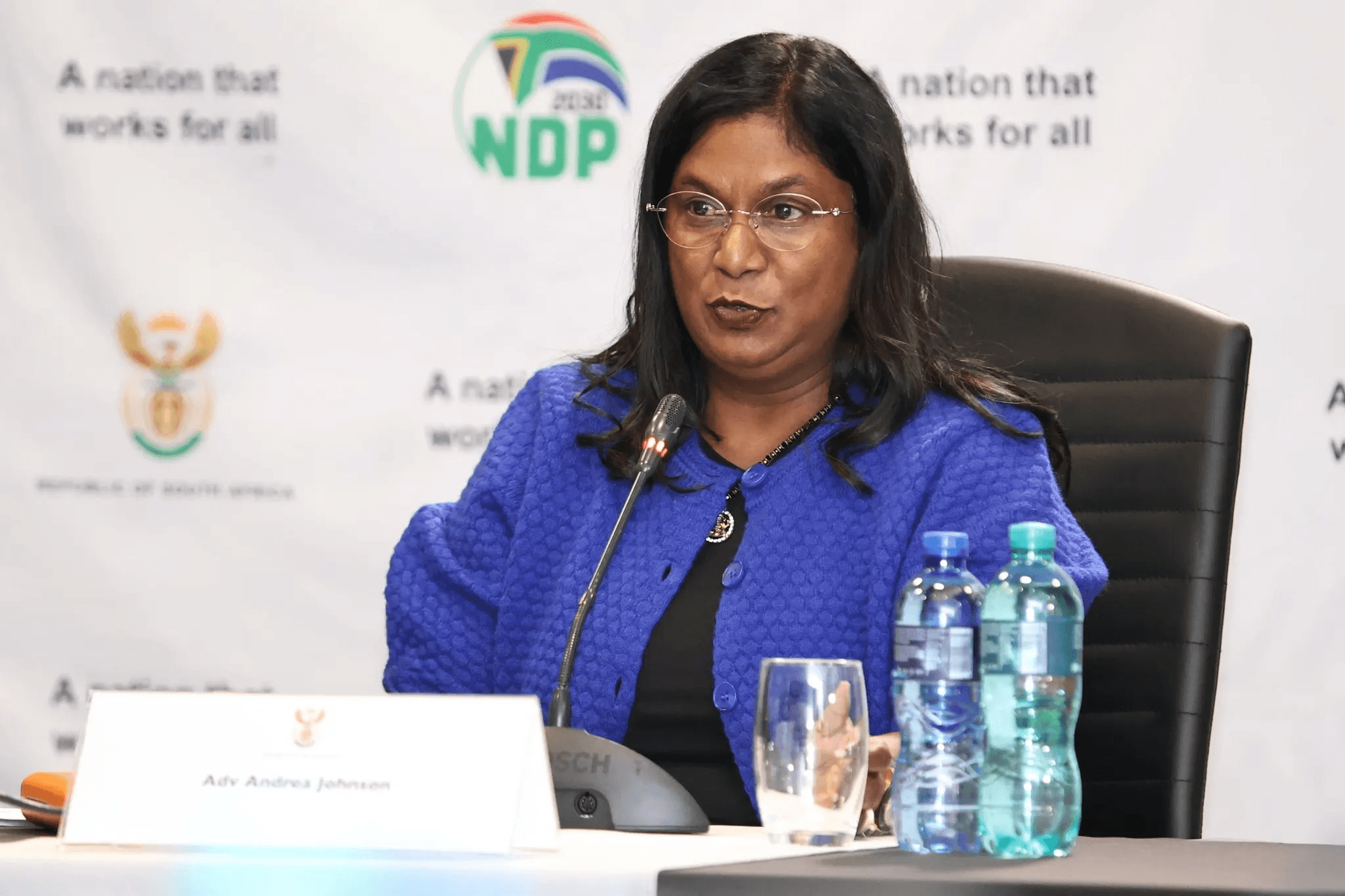
The six candidates interviewed include advocates Andrea Johnson, Nicolette Bell and Adrian Mopp, along with Xolisile Khanyile, Hermione Cronje and Menzi Simelane. Simelane’s inclusion has sparked controversy due to past findings against him by the Ginwala Commission of Inquiry and a court decision that set aside a previous appointment.
Freedom Under Law, a civil liberties group, has objected to Simelane’s shortlisting on legal grounds, arguing that it renders the entire process irrational and potentially unlawful. The Democratic Alliance has also written to the panel and the president expressing serious concerns about the integrity of the selection process.
Kubayi has defended the process and dismissed calls to halt interviews, saying legal challenges lack merit and that there is no need to stop the process. The debate over who should lead the appointment underscores broader anxieties about institutional independence and the rule of law as South Africa seeks to fill one of its most critical law-enforcement leadership posts.