
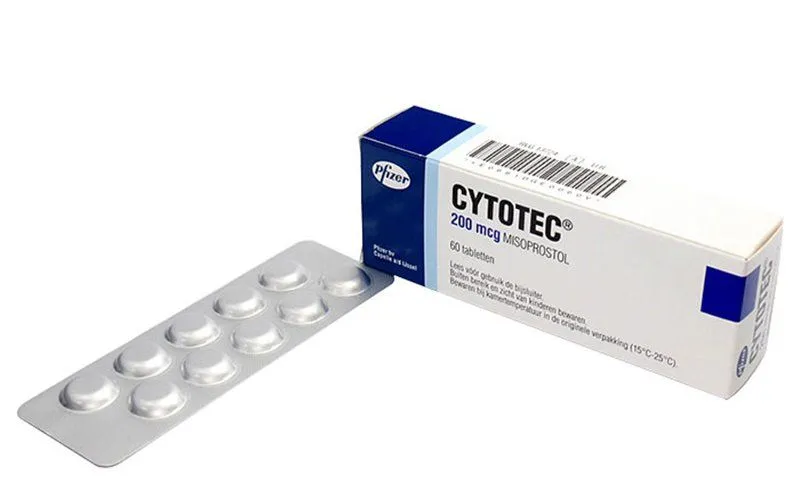

Three people have been arrested following an alleged scheme to steal and illegally sell medication used for legal termination-of-pregnancy. Image: File
Arrested
1Min
South Africa
Three arrested after stolen abortion medication allegedly sold at Gauteng clinic
A whistleblower tip and a sting operation have led to the arrest of three women accused of stealing and illegally selling termination-of-pregnancy medication to patients at a Johannesburg health facility.

Three people have been arrested following an alleged scheme to steal and illegally sell medication used for legal termination-of-pregnancy services at Stretford Community Health Centre in Orange Farm, Johannesburg.
The Gauteng Department of Health says the arrests followed a whistleblower’s information that helped investigators uncover the alleged sale of stolen Cytotec tablets at the facility.
The medication was reportedly stolen from the health centre on 24 August after suspects allegedly broke a padlock securing a medicine cupboard.
In a statement on Friday the department spokesperson Steve Mabona said that two boxes of Cytotec tablets and 24 loose tablets were allegedly taken.
Investigators subsequently conducted a sting operation, which resulted in the arrest of one suspect who was allegedly selling the stolen medication to women waiting in the termination-of-pregnancy queue at the clinic.
A patient who had allegedly purchased the tablets assisted investigators by identifying the person who sold them to her.
Further investigations allegedly led police to two additional suspects.
All three suspects are female Expanded Public Works Programme workers. They were arrested on Thursday, 27 August, and are being held at Orange Farm Police Station.
They are expected to appear in court on Monday, 31 August.
The Gauteng Department of Health has welcomed what it described as swift action by law enforcement, saying the arrests are important in protecting patients and preventing the misuse of public healthcare resources.
The department has strongly condemned the alleged theft and sale of medication, particularly where vulnerable women seeking healthcare services are targeted.
It has warned members of the public against buying termination-of-pregnancy medication from unauthorised individuals or obtaining abortion services outside recognised healthcare facilities.
The department says illegal and unsafe abortion practices can expose women to serious complications, including incomplete abortions, severe bleeding, infections, uterine perforation and damage to reproductive organs.
In severe cases, these complications can lead to infertility, long-term health problems or death.
The department has urged women seeking termination-of-pregnancy services to use public healthcare facilities where services are provided legally and confidentially by trained healthcare professionals.
Selected clinics and community health centres offer termination-of-pregnancy services during the first trimester, while certain hospitals provide services up to 20 weeks of pregnancy in line with the Choice on Termination of Pregnancy Act and relevant clinical guidelines.
Women accessing these services can also receive counselling before and after the procedure, medical or surgical termination services, psychosocial support and health education.
The department says the investigation into the alleged theft and illegal sale of the medication is continuing.