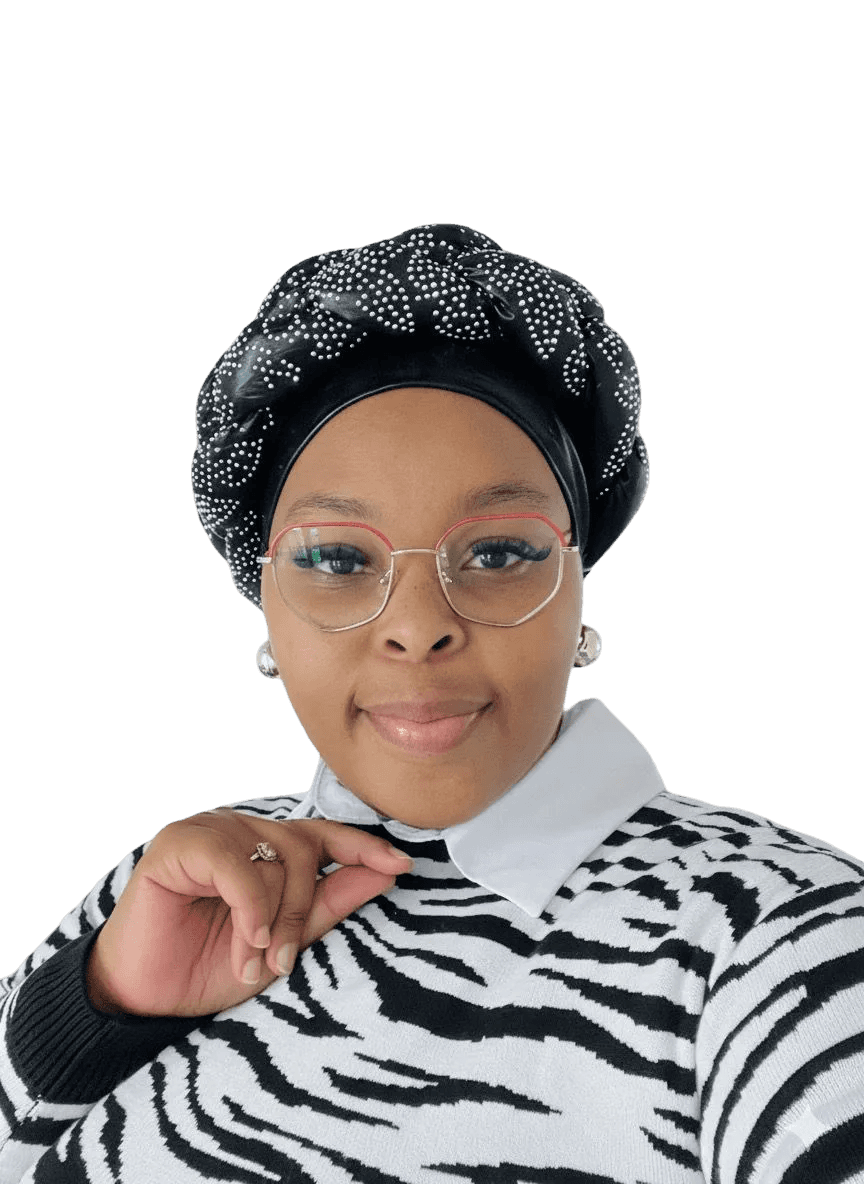

Masibongwe Sihlahla, Independent writer and social commentator. Image: Supplied.
Media
The debate around media criticism, black ownership and the question of double standards
South Africa’s transformation journey has always been complicated. The country continues to grapple with the legacy of historical exclusion, while at the same time trying to build institutions, businesses and professionals that can compete in a modern economy.

South Africa’s transformation journey has always been complicated. The country continues to grapple with the legacy of historical exclusion, while at the same time trying to build institutions, businesses and professionals that can compete in a modern economy.
It is within this context that the role of media criticism must be examined carefully. When black-owned entities, entrepreneurs and professionals face scrutiny, the question should not be whether they are beyond criticism — no individual or organisation should be. The real question is whether the same standards of accountability are applied consistently across society.
A growing concern among many South Africans is that some commentary around black-owned companies and professionals sometimes focuses heavily on failures, controversies or challenges, while giving less attention to the broader context of transformation, economic inclusion and the barriers that have historically limited participation in key sectors.
Criticism is necessary in a democracy. Investigative journalism and public accountability play an important role in protecting society. However, criticism must be balanced, evidence-based and free from narratives that unintentionally reinforce old stereotypes about black competence, leadership or ownership.
The success of black professionals and businesses should not be viewed only through the lens of suspicion. Many have built organisations, created jobs, developed expertise and contributed to sectors that were historically closed to them. Their achievements deserve recognition alongside legitimate accountability.
The danger of selective outrage is that it creates a perception that transformation itself is being questioned rather than individual performance. South Africa cannot build an inclusive economy if excellence from black-owned entities is constantly treated as an exception rather than part of the country’s normal economic landscape.
The media has a responsibility not only to expose wrongdoing but also to contribute to a fair public conversation. That means challenging poor performance wherever it occurs, regardless of race or background, while also acknowledging progress where it exists.
The future of South Africa requires both accountability and empowerment. These two principles are not enemies. A mature society should be able to criticise institutions when necessary while still recognising the importance of expanding ownership, opportunity and representation.
The debate should therefore not be about protecting anyone from scrutiny. It should be about ensuring that scrutiny is fair, consistent and applied with the same measure to everyone.