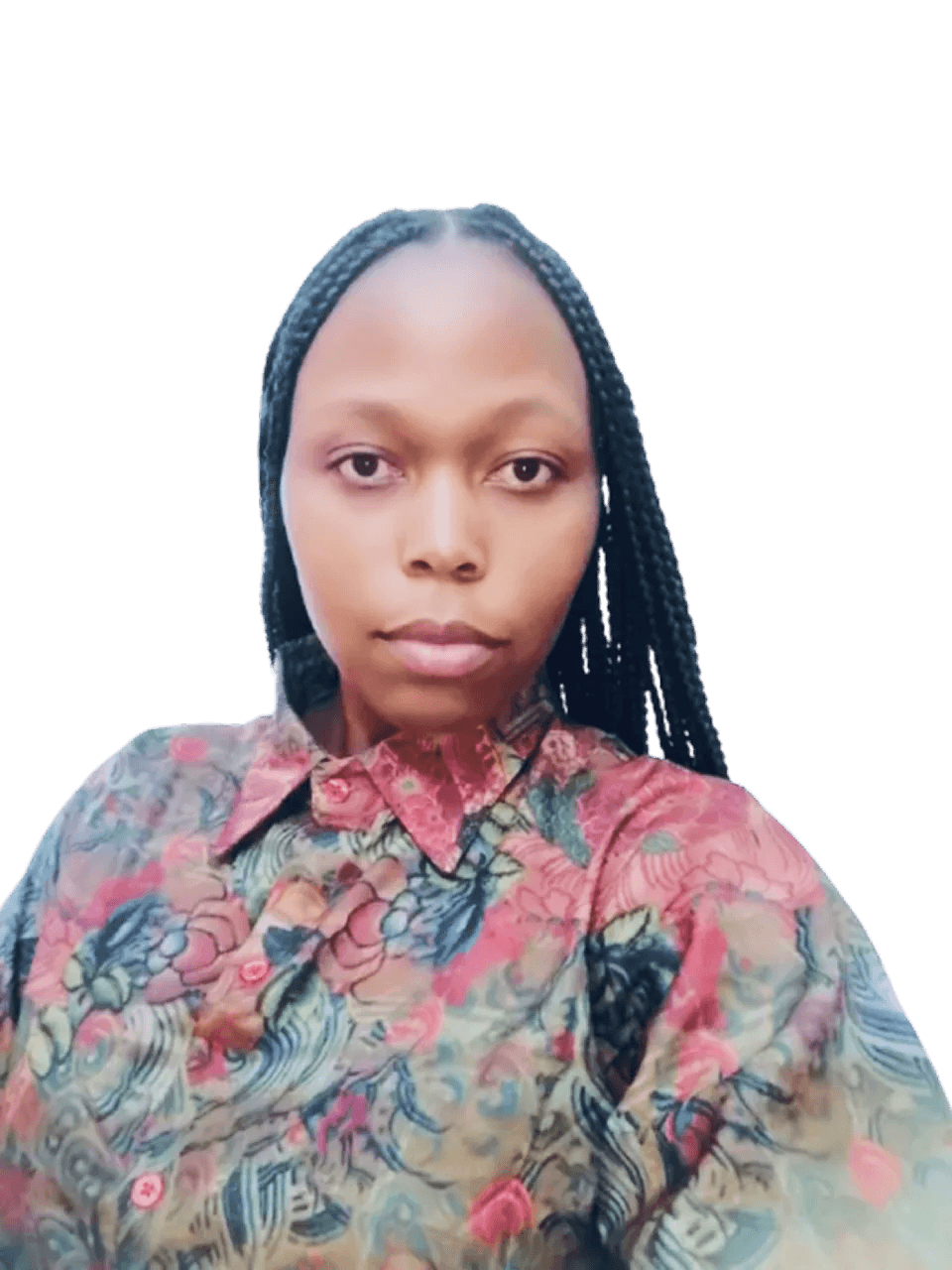

Wouter Basson at a formal hearing. Image: SAPA / Maroela Media
Project Coast
Dr Death, Reanimates – Wouter Basson Tell-All Night at AfriForum Theatre.
Wouter Basson’s appearance at AfriForum Theatre has reignited debate over apartheid-era Project Coast, South Africa’s chemical and biological weapons programme, and the ethical responsibilities of medical professionals. The article examines his controversial legacy and the unresolved questions surrounding his past.

Last month at 7pm on September 4 th the AfriForum Theatre filled with enough eager patrons for a full house. The infamous Wouter Basson, offered his “personal version” of apartheid’s chemical and biological weapons program, Project Coast. The program, headed-up by Basson in 1981 – 1992, earned him “widespread notoriety” as well as the chilling moniker of ‘Dr Death’. Basson registered with the Health Professions Council of South Africa (HPCSA) in 1980 and registered as a cardiologist with the HPCSA in 1997, accepting the Guidelines for Good Practice in the Health Care Professions. AfriForum, a non-profit organisation dedicated to “the protection and growth of the Afrikaner identity, culture, history and the Afrikaans language” hosted Basson in Pretoria as part of their Recce story night, at R180 per head.
As head of Project Coast, Basson was directly involved in “the manufacturing of chemical and/or biological weapons for the South African Defence Force (SADF)’. His role facilitated the production and unethical administration of harmful substances such as Methaqualone (Mandrax), a sedative drug which can result in coma or death in the event of a lethal dose; MDMA (Ecstasy); BZ, an aerosolised incapacitating agent which induces visual and auditory hallucinations and can last up to four days in the bloodstream; and CR, an eye irritant more potent than standard teargas.
Arrested on the 29th of January 1997 by the Narcotics Division on suspicion of dealing in ecstasy and once more, later that same year in October for a fraud-related offence, Basson would be apprehended and scrutinised by law enforcement. Following their investigation, 67 criminal charges would be brought against Basson, including charges alleging his complicity attempted murders, 229 murders, and 24 charges of fraud to the amount of R36 000 000. The prosecution of these charges commenced in the Pretoria High Court in October 1999. Basson would eventually evade justice and the penalties of his alleged crimes on a formality, with barely a slap on the wrist.
The defence argued that according to section 18 of the Riotous Assemblies Act 17 of 1956, common law failed to make conspiracy a crime and that the accused not be prosecuted for crimes allegedly conspired to and/or later committed outside the Republic. The court’s ruled in favour of Basson, declaring that he was ineligible for prosecution for crimes committed outside the Republic despite their being planned on home soil and their being committed by South African citizens. The court also rejected the argument that the alleged acts committed by Basson were performed outside the scope of his military duties.
On the 11th of Aprill 2002, after a marathon trial of over 300 court days and involving more than 150 witnesses the court acquitted Basson on all criminal charges alleging murder, fraud, assault, conspiracy to commit murder and the dealing of drugs. During the trial the state attempted to submit the testimony of Basson’s international associates against him, however, the court denied the application, citing that the credibility of these witnesses as the main concern.
Ultimately the state was unable to prove beyond a reasonable doubt that Basson was involved directly in the manufacturing and exchange of weapons for assassination, for the attempted murders of ANC members and the extrajudicial killings through chemical weapons allegedly provided to operators by Basson. Additionally, almost 200 state witnesses testified against Basson across the entire trial. Basson however, called upon only one key witness to corroborate his testimony – himself. The state's bill round-out to be R20m (of which R9.5m were allocated for Basson’s legal fees, paid through the nose by the SADF.
Other alleged crimes committed by Basson included the lynching of a baboon foetus, supposedly originating from Roodeplaat Research Laboratories (a front company for Project Coast). The foetus was hung from in a tree in Archbishop Desmond Tutu’s garden, reputedly to intimidate and discourage the Archbishop and his followers. Basson also escaped charges for the murder of Knox Dhlamini, despite all evidence pointing to the Thallium reportedly used to poison Dhlamini, also originating from Roodeplaat Research Laboratories. Especially heinous was a supposed conspiracy manufactured by Basson to poison 200 SWAPO fighters in Namibia who were purportedly murdered using muscle relaxants, their bodies dumped into the sea by a specially purchased aircraft. In 1982 – 1983 the SADF spent R 418 200 000 on Project Coast, R 36~37 000 000 allegedly misappropriated by Basson and his colleagues, however this allegation was not proven at Basson’s criminal trial.
Dr Mike Odendaal, a microbiologist on Project Coast who was quoted by American magazine, The New Yorker, said: "Angola would have been the ideal situation in which to test these [chemical and biological] weapons. But Basson wanted to use them against our domestic opponents as well -- to impress the generals. But one of the major tenets of chemical warfare is that you don't use these things on your own soil”. The HPCSA claimed that while registered as a medical practitioner, Basson was guilty of unprofessional conduct due to his manufacturing of chemical substances for warfare; conduct hardly befitting that of a doctor, making Basson wildly incompatible with the ethics of care associated with the profession. One has to wonder then, how much of Basson’s “personal version” of Project Coast excludes over a decade of human rights abuses and pro-apartheid rhetoric.