

UN
1Min
South Africa
South Africa to tackle global corruption at UN conference in Doha
Minister Mmamoloko Kubayi to lead South Africa's efforts against corruption at the UN Anti-Corruption Conference in Doha, focusing on collaboration and innovative solutions to global challenges.

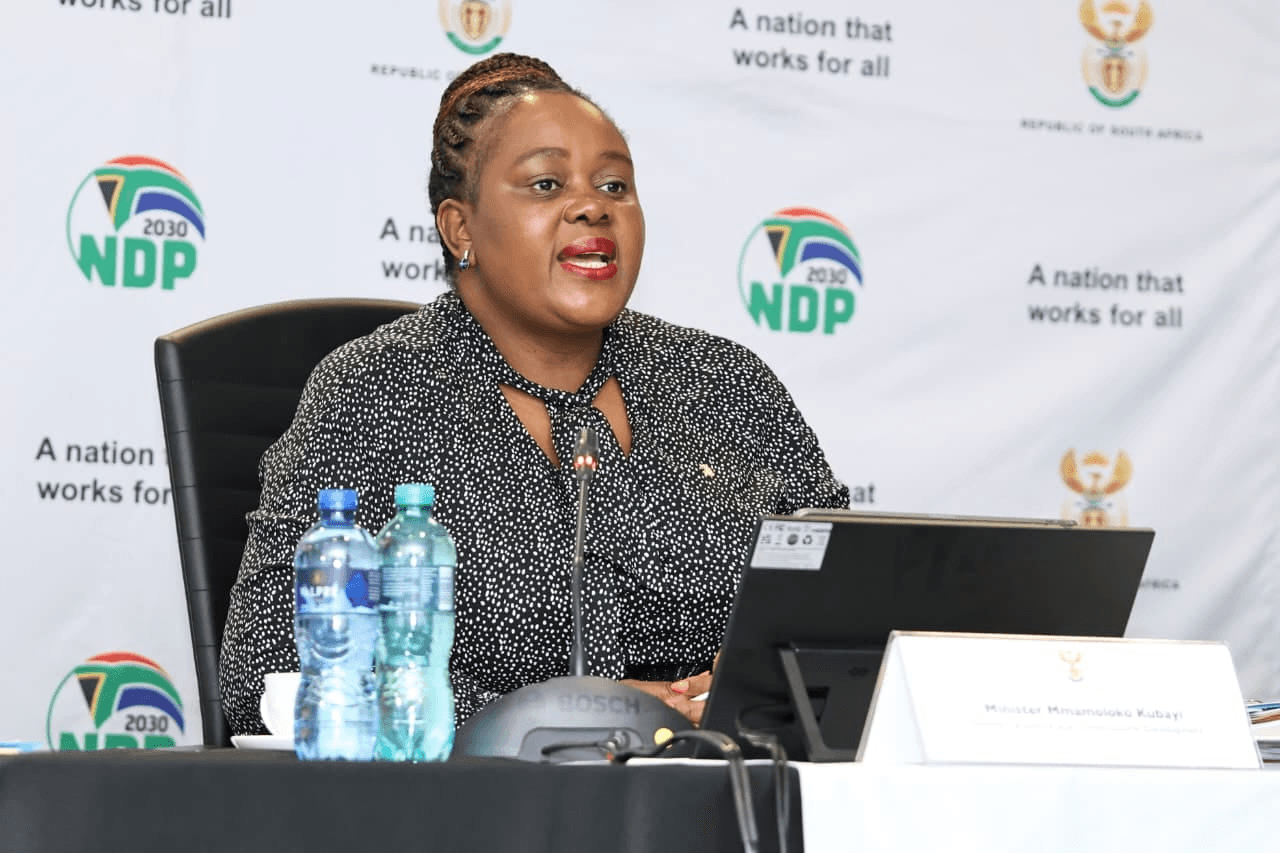
Minister of Justice and Constitutional Development, Mmamoloko Kubayi, is set to lead a robust South African delegation to the 11th Session of the Conference of the States Parties (CoSP11) to the United Nations Convention against Corruption (UNCAC).
The conference will take place from 15 to 19 December 2025 in Doha, Qatar, gathering over 2,000 representatives from various sectors dedicated to combating corruption on a global scale.
Known as the UN Anti-Corruption Conference, CoSP11 is the largest international forum focusing on anti-corruption policies, convening every two years to strengthen cooperation and enhance the ability of States Parties to fulfil the aims of the UNCAC.
This year's conference theme, “Shaping Tomorrow’s Integrity,” underscores a commitment to addressing urgent global challenges.
The South African delegation will consist of key officials from several governmental bodies, including the Departments of International Relations and Cooperation (DIRCO); Public Service and Administration (DPSA); the South African Police Service (SAPS); the National Prosecuting Authority (NPA); the Special Investigating Unit (SIU); the Financial Intelligence Centre (FIC); and the Public Protector. This multi-faceted approach reflects South Africa’s commitment to a collaborative fight against corruption.
In a statement provided by departmental spokesperson Terrence Manase, the minister and her delegation aim to share valuable insights on South Africa’s anti-corruption efforts and forge partnerships with other nations.
“Fighting corruption remains a central priority for South Africa, and we have aligned closely with the Financial Action Task Force (FATF) standards. Our signing of the United Nations Convention against Cybercrime illustrates our deepening commitment to tackling corruption, cyber-enabled crime, and international financial offences,” Manase stated.
The UNCAC, which came into force in December 2005 after being adopted by the United Nations General Assembly in 2003, stands as the only legally binding universal anti-corruption instrument, encompassing a comprehensive framework with mandatory provisions. South Africa ratified this pivotal Convention in November 2004 and has since been an active participant, including its continued involvement in G20 anti-corruption discussions.
CoSP11 will spotlight five thematic areas of the UNCAC: preventive measures; criminalisation and law enforcement; international cooperation; asset recovery; and technical assistance and information exchange, while also tackling emerging issues like cybercrime.
Among the significant topics of discussion, delegates will focus on leveraging artificial intelligence and new technologies to prevent corruption, the connections between corruption and economic crime, and protecting the roles of investigative journalism and whistle-blowers.