
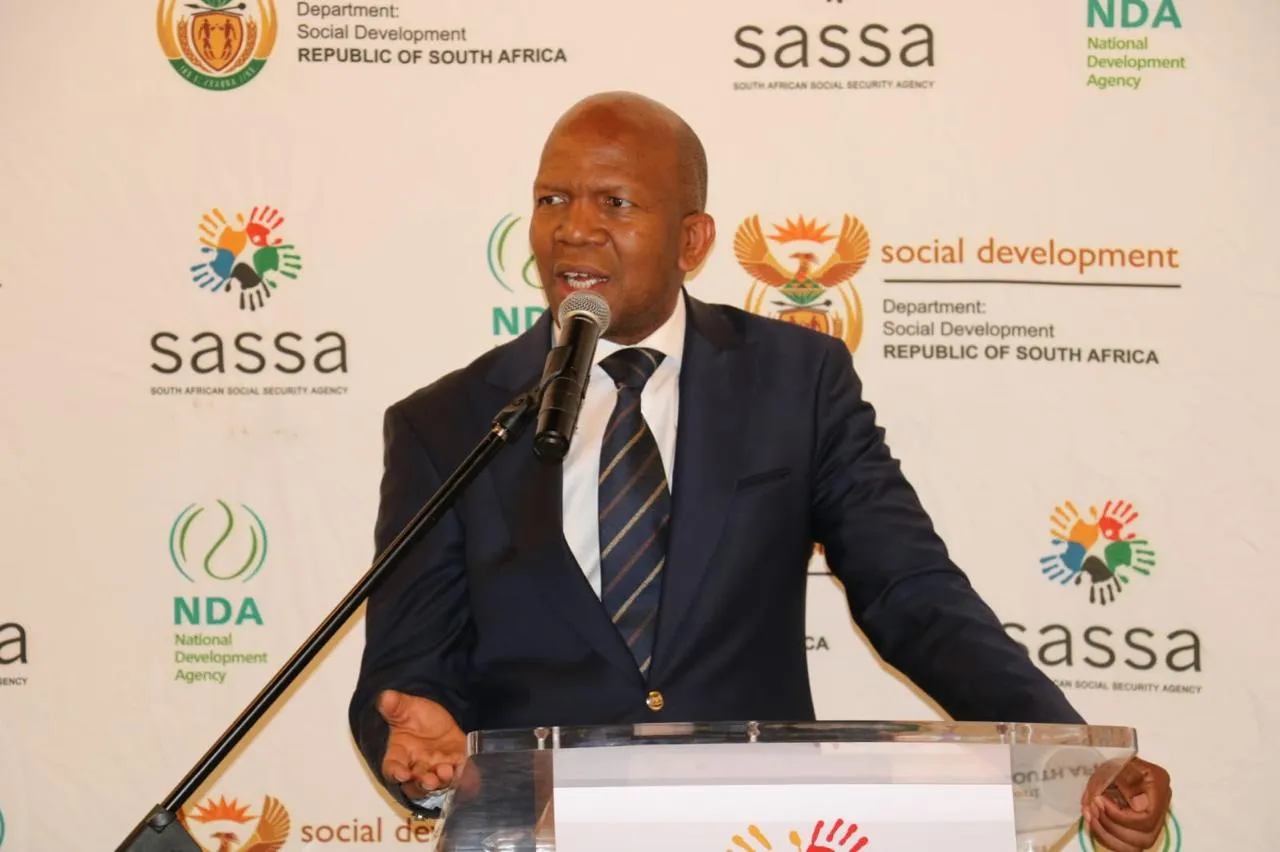

SASSA has rejected claims that its R30 million communication and marketing contract was designed to boost CEO Themba Matlou’s public profile. Image: SASSA
Postbank
1Min
South Africa
SASSA denies R30m communication contract was meant to promote CEO
SASSA has rejected claims that its R30 million communication and marketing contract was designed to boost CEO Themba Matlou’s public profile, saying the process began before he took over as acting CEO.

The South African Social Security Agency (SASSA) has dismissed allegations that its R30 million communication and marketing contract was intended to promote its chief executive officer, Themba Matlou.
The agency was responding to a Mail & Guardian report published on Friday, 23 October, titled “R30 million To Make Sassa CEO Look Good”.
In a statement, SASSA said the report created a misleading impression by failing to distinguish between its longstanding institutional communication responsibilities and Matlou’s appointment as acting CEO.
The agency said the contract process was initiated before Matlou assumed the acting CEO position in December 2024, when he was serving as regional executive manager responsible for Gauteng and Mpumalanga.
According to SASSA, the contract was intended to strengthen its communication and marketing capacity across all nine provinces, improve public awareness of its services and address information gaps affecting communities.
One of the major campaigns undertaken through the contract focused on the migration from SASSA Gold Cards to Postbank or another bank of beneficiaries’ choice.
SASSA said the migration presented significant communication challenges, with deadlines extended from 28 February 2025 to 20 March and subsequently to 30 April 2025, as more beneficiaries needed assistance understanding the transition.
The agency said it intensified public education through social media, online and traditional media, as well as activations at taxi ranks, shopping malls and other public spaces.
It maintained that the communication efforts were driven by operational needs and the responsibility to ensure beneficiaries understood their options, deadlines and the steps required to access their grants.
SASSA also defended its media engagements, saying they were intended to improve journalists’ understanding of its operations and provide clarity on issues such as grant reviews, fraud prevention, eligibility requirements and means tests.
The agency rejected suggestions that the engagements were designed to influence journalists or discourage critical reporting, stressing that media organisations remained free to question its decisions and scrutinise its leadership.
SASSA further disputed claims that media engagements started when Matlou became acting CEO in December 2024, saying his first engagement in that capacity took place in March 2025.
The agency said subsequent engagements covered matters including card migration, social grant reviews and its 20 years of service delivery.
It also said Matlou had been cleared of wrongdoing by the Public Protector in relation to previous allegations referenced in the reporting.
SASSA warned against conflating separate allegations with the communication contract, arguing that claims should be assessed on their own merits and against available evidence.
The agency said it respected investigative journalism and the need for public institutions to be held accountable, but maintained that reporting should distinguish between established facts, allegations and inference.
It encouraged anyone with evidence of suspected wrongdoing involving Matlou or any SASSA official to report the matter to the relevant oversight bodies.
SASSA said it remained committed to transparency, safeguarding public funds and ensuring its communication activities serve the millions of social grant beneficiaries who rely on its services.