

Donald Trump
1Min
South Africa
Trump shocker: US announces withdrawal from 66 international organisations
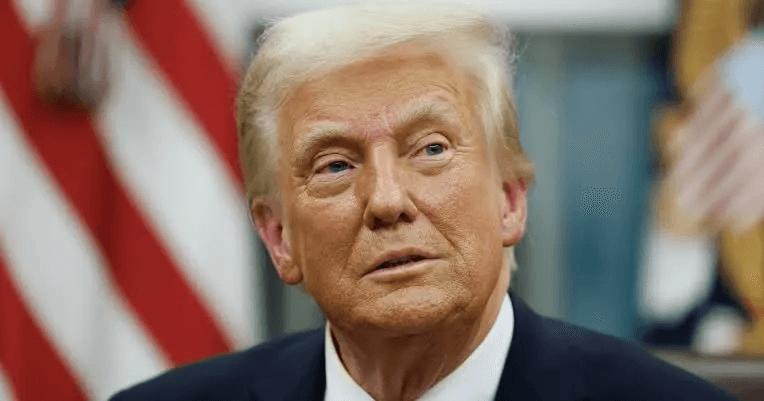
The end to US' multilaterism has come amid mounting global complexity and tension following this week's decision by US President, Donald Trump, whose withdrawl from 66 UN-aligned organisations has reverberated across international relations.

In a dramatic turn of events marking a retreat from global engagement, the United States has announced its withdrawal from 66 international organisations, including critical components of the United Nations system. This latest decision has raised eyebrows among global leaders and institutions, as it showcases a broader trend of the US distancing itself from multilateralism in favour of a more insular approach to international relations.
According to the South African Broadcasting Corporation (SABC), the withdrawal encompasses 31 UN entities, including high-profile organisations such as UN Women, the International Law Commission, the UN Framework Convention on Climate Change, and the Peacebuilding Commission.
The decision underscores the US government’s assessment that these entities do not align with its national interests, a departure that resonates with prior withdrawals from the Paris Climate Accord, the World Health Organisation, UNESCO, and the UN Human Rights Council.
The move has been reported widely, with other reports indicating that US President Donald Trump made this dramatic move on Wednesday after he signed an executive order suspending U.S. support for 66 organizations, agencies, and commissions, following his administration's review of participation in and funding for all international organisations.
US Secretary of State Marco Rubio characterised the withdrawals as a strategic move to eliminate “wasteful, ineffective, and harmful” international organisations.
Emphasising a need for reform, Rubio claimed that many of these institutions were “redundant in scope” and mismanaged, suggesting that they have been co-opted by “progressive ideologies” that detract from American interests. He pointed to issues such as gender equity initiatives, climate strategies, and diversity, equity, and inclusion (DEI) mandates as manifestations of a globalist agenda that the Reagan-era conservative values do not support.
"We can no longer afford to legitimise or expand resources towards institutions that serve interests contrary to our vision," Rubio stated. This rhetoric portrays a profound shift in US foreign policy, emphasizing a focus on prioritising national over global interests.
The United Nations is expected to respond to these developments later today, shedding light on how this will affect ongoing and future international efforts.