


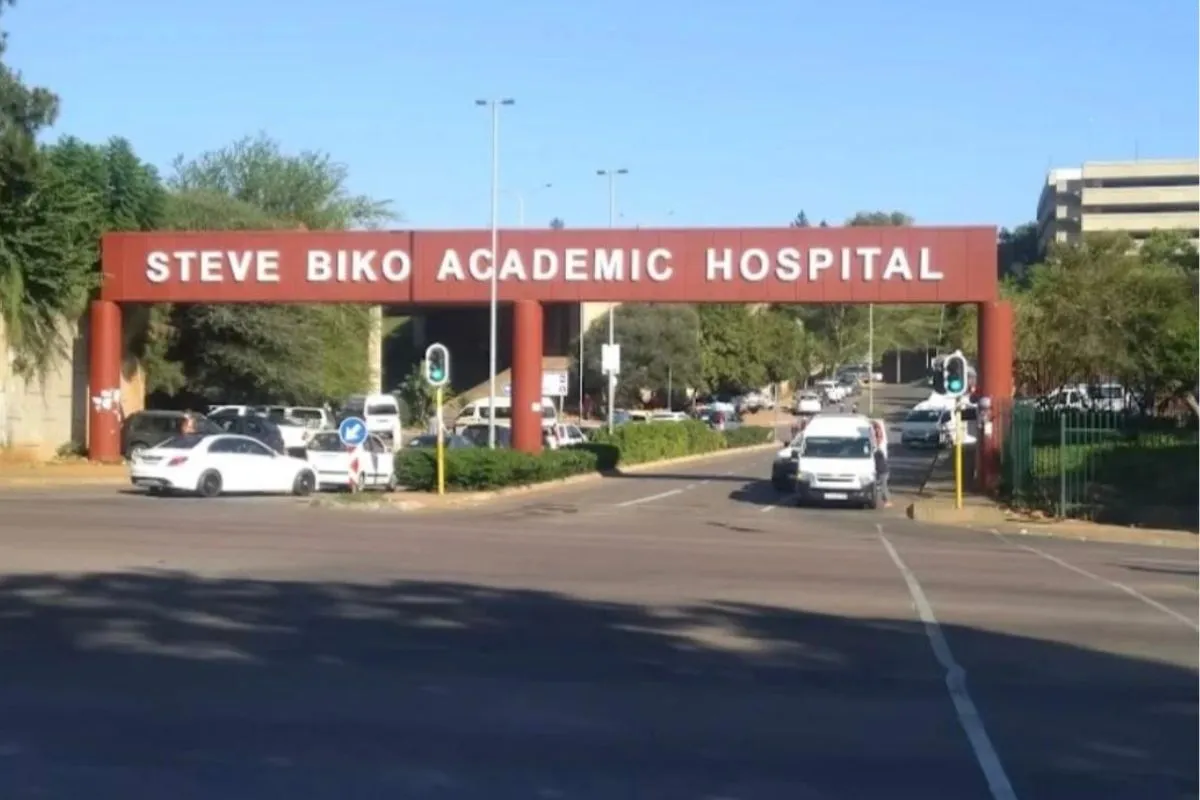

The patient had a complex medical history that included multiple previous eye surgeries before receiving treatment at Steve Biko Academic Hospital. Image: File
1Min
South Africa
Gauteng Health disputes claims Steve Biko patient went blind due to broken equipment
The Gauteng Department of Health has rejected allegations that a patient lost their sight because of faulty equipment at Steve Biko Academic Hospital, saying clinical records show the vision loss was linked to pre-existing medical complications rather than infrastructure failures.

The Gauteng Department of Health (GDoH) has dismissed claims that a patient was left permanently blind because of broken equipment at the Eye Clinic of Steve Biko Academic Hospital (SBAH), describing the allegations as factually incorrect and misleading.
While expressing sympathy for the patient, the department said it recognised the emotional and physical impact of deteriorating or lost vision but stressed that such matters must be communicated responsibly and be based on verified clinical evidence.
In a statement on Tuesday, the department said that the patient had a complex medical history that included multiple previous eye surgeries before receiving treatment at Steve Biko Academic Hospital.
Specialist clinicians within the SBAH cluster reportedly assessed the patient and decided to operate on the eye that had the greatest chance of retaining vision.
The department said the patient underwent a counselling process during which doctors explained that the prognosis for the other eye was already poor and that surgery was unlikely to restore vision.
"It is therefore inaccurate and misleading to attribute the irreversible loss of vision solely to the equipment and infrastructure challenges at the hospital," the department said.
The GDoH acknowledged that procurement delays related to infrastructure and equipment had affected service delivery at the hospital. However, it said procurement processes to acquire the necessary equipment were at an advanced stage, with delivery expected soon to improve services.
The department maintained that the patient's clinical records do not support claims that equipment shortages or infrastructure problems significantly contributed to the loss of vision.
It warned that presenting infrastructure challenges as the direct cause of the patient's blindness ignores the documented medical history and creates a distorted picture of the circumstances.
The department also raised concerns about what it described as the careless handling of confidential and complex patient matters without first establishing all the relevant facts.
It urged all stakeholders to communicate healthcare issues accurately, warning that unverified claims could create unnecessary anxiety among patients awaiting treatment and undermine confidence in the public healthcare system.
The department said it remains focused on restoring affected services, maintaining essential medical infrastructure and equipment, and ensuring appropriate referral pathways for patients requiring specialist ophthalmic care.
It reaffirmed its commitment to treating patients with dignity, restoring disrupted services, and providing communities with accurate information about public healthcare services.