
Electricity Regulation Amendment Act (ERAA)
1Min
South Africa
Eskom restructuring signals start of Competitive Era for South Africa’s power market
Eskom and National Transmission Company South Africa (NTCSA) have received ministerial approval to implement the new unbundling plan under the Electricity Regulation Amendment Act (ERAA), setting the stage for a competitive, multi-player electricity market. This promises more supply diversity, efficiency, and potential price relief for consumers.
South Africa’s electricity sector is entering a decisive new chapter as Eskom and the National Transmission Company South Africa move to implement the reforms outlined in the Electricity Regulation Amendment Act. The shift marks the most significant restructuring of the power market in decades, signalling the beginning of a competitive, multi-player system designed to ease pressure on the grid and open space for new investment.
Under the approved unbundling plan, Eskom will transition into a holding entity overseeing separate subsidiaries — GenerationCo, NEDCSA, Eskom Green and NTCSA — each with a defined mandate. This clearer structure is meant to sharpen accountability and improve operational performance after years of strain on the system.
Central to the reforms is the creation of a fully independent Transmission System Operator. For the first time, South Africa’s grid will be managed outside Eskom, ensuring fair and transparent access for all electricity producers. Policymakers believe this independence is critical to attracting private suppliers, diversifying the energy mix and gradually easing the country’s dependence on coal.
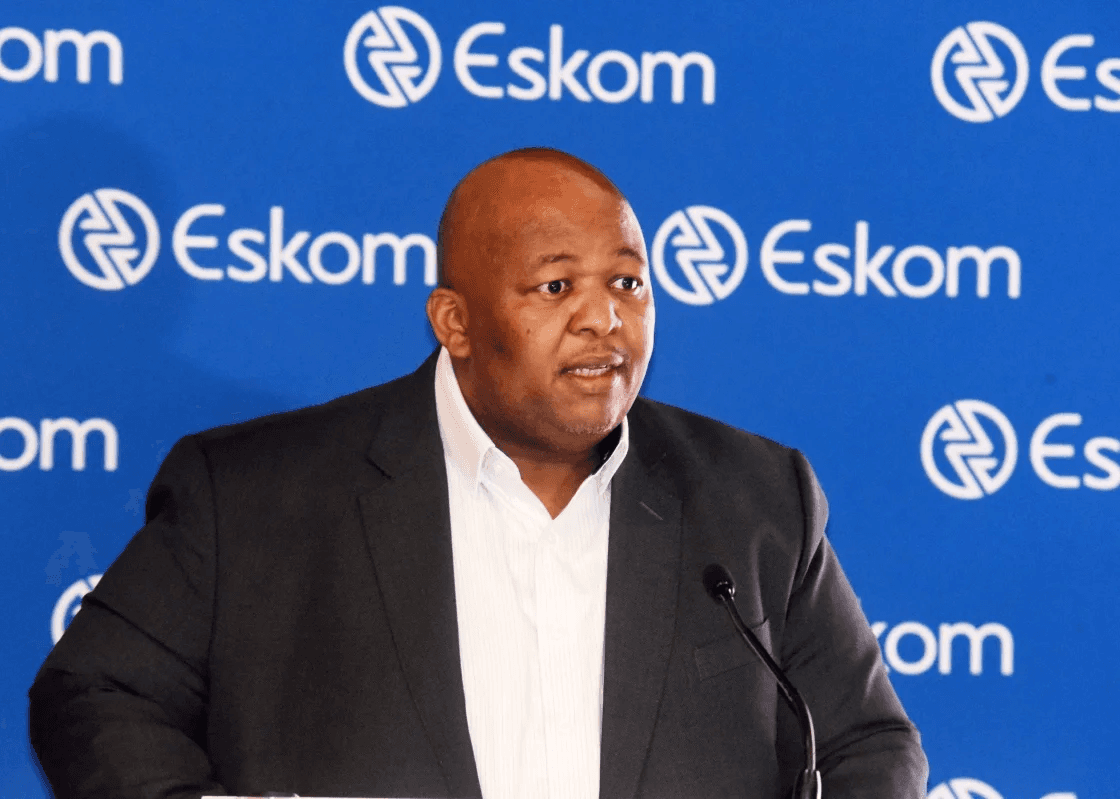
Eskom group CEO Dan Marokane described the restructuring as a turning point that lays the foundation for a more stable, affordable and efficient electricity future. He emphasised that market competition, combined with stronger oversight, will help prepare the grid for the growth in demand expected over the next decade. Eskom anticipates that total capacity must rise from roughly 66 GW in 2024 to more than 107 GW by 2034.
The reforms also align with global energy trends, positioning South Africa to benefit from expanding renewables, battery storage, and independent power producers. Several Eskom colleges and research units have already reported increases in innovation and digital improvement initiatives, signalling a system gradually adapting to the new policy environment.
Still, the transition will require careful execution. Finalising grid-access rules, stabilising regulation and ensuring transparent market operation remain top priorities. The success of the competitive market will depend on whether these steps are completed efficiently and with strong public oversight.