
CRL
1Min
South Africa
CRL Rights Commission turmoil deepens as chairperson resigns over controversy
The sudden resignation of Rev Profesor Musa Xulu from the Section 22 Committee has plunged the work of the The Commission for the Promotion and Protection of the Rights of Cultural, Religious and Linguistic Communities (CRL Rights Commission) into deeper controversy.
The Commission for the Promotion and Protection of the Rights of Cultural, Religious and Linguistic Communities (CRL Rights Commission) finds itself at the heart of controversy this week, following the resignation of Reverend Professor Musa Xulu, chairperson of its Section 22 Committee.
This decision has stirred further unrest as Xulu and several religious leaders have publicly called for the resignation of the Commission's chairperson, Thoko Xaluva. The allegations against Xaluva include intimidation and harassment, intensifying the already heated debate over the regulation of religious institutions in South Africa.
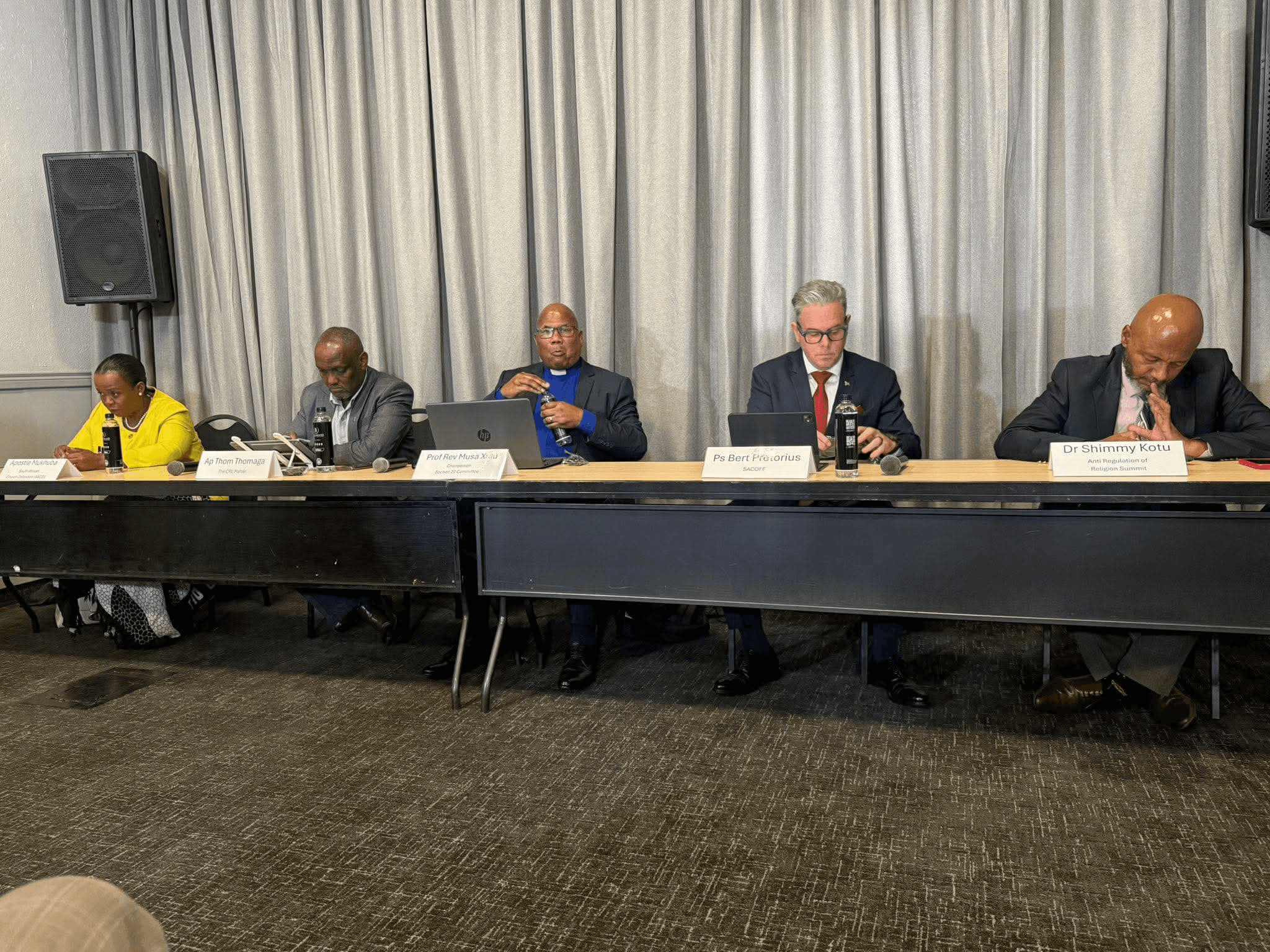
Xulu's resignation, tendered just before a press briefing on Thursday, marks a significant escalation in the ongoing tensions surrounding the regulation of religious bodies. In his statement, Xulu expressed profound discontent with the direction of the Commission, stating
“I have done everything within my power to discharge my duties faithfully. However, I can no longer serve as Chair of a Committee the processes of which I do not control.” He further condemned the committee's approach, which he described as a veneer for state control over religious practices, asserting that it stems from “personal hostility” towards specific Christian traditions.
In response to Xulu's resignation and the subsequent press conference, Mpiyakhe Mkhondo, spokesperson for the CRL Rights Commission, clarified that the views expressed during the briefing do not reflect those of the entire church sector or the official position of the Commission.
“The Committee wishes to inform the public that the press conference convened by Prof. Xulu is not an official activity and does not represent our collective views,” he asserted, noting that Xulu had acted unilaterally and without proper consultation.
Additionally, Mkhondo defended the Commission's Draft Self-Regulatory Framework for the Christian sector, stating that the Committee remains focused on fostering ethical conduct across religious institutions. He emphasised that the official work of the Section 22 Committee is ongoing and aims to be inclusive and transparent.
The controversy has sparked significant public reaction, with various stakeholders expressing their concerns regarding the regulatory framework aimed at overseeing religious organisations.
Late last year, church followers and advocates rallied in Pretoria to voice their opposition against what they perceive as a governmental overreach into religious affairs. This culminated in a legal challenge by the South African Church Defenders (SACD) against the establishment of the committee, which they argue unlawfully seeks to impose an overarching regulatory regime on churches.
The discourse surrounding these events has also attracted the attention of FOR SA, a non-profit organisation dedicated to protecting religious freedoms. The organisation has called for an immediate, independent probe into the development of the regulatory framework, as well as the suspension of its ongoing processes.
The group pointed to the actions of the Commission as fundamentally contradicting its expected role as a chapter nine institution, which ought to uphold independence and integrity while safeguarding the constitutional right to freedom of religion.