
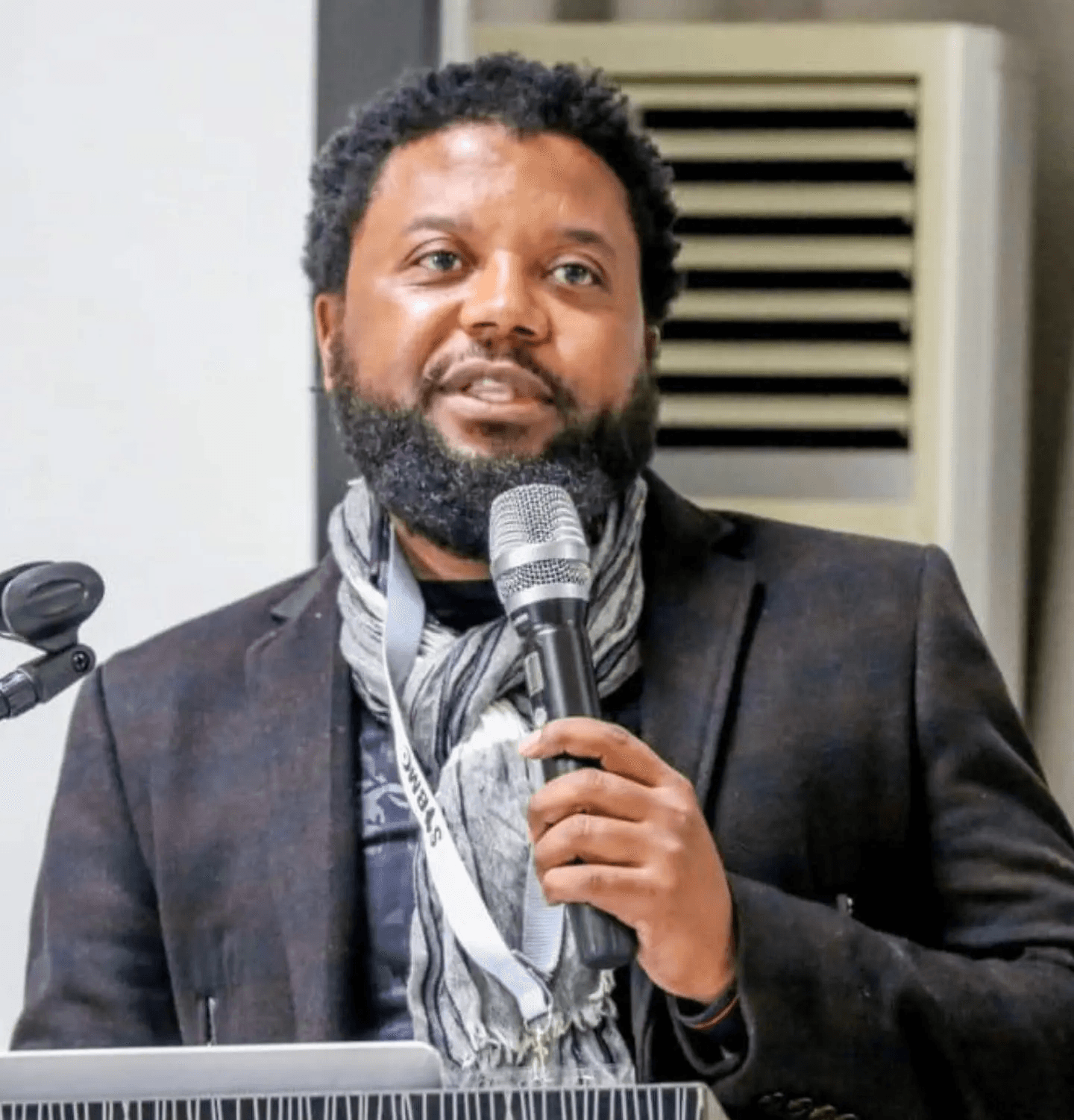

Op-ed by Tahir Maepa: Secretary General of the Public Service and Commercial Union of South Africa (PSCU) and founder of Resistance Against Impunity Movement (RAIM) NPC, writing in his personal capacity. Picture: Supplied.
1Min
South Africa
Steinhoff was not a scandal. It was a system doing what it was built to do
The collapse of Steinhoff in 2017 was framed as a shocking corporate failure, the result of a few dishonest executives who misled boards, auditors, and investors. That story has always been convenient. With the full forensic report now public, it is also completely false.
The collapse of Steinhoff in 2017 was framed as a shocking corporate failure, the result of a few dishonest executives who misled boards, auditors, and investors. That story has always been convenient. With the full forensic report now public, it is also completely false.
Steinhoff did not fail because rules were broken. It failed because the system worked exactly as it was designed to work.
For years, warning signs were visible. Analysts raised concerns. Transactions made no commercial sense. Governance structures existed in abundance, yet none of them acted with urgency or moral clarity. When Deloitte finally refused to sign off on the accounts, the company imploded overnight. The damage was already done. Workers, pensioners, and ordinary shareholders paid the price, while those who enabled the deception retreated behind legal shields.
This is not a story about poor regulation. South Africa has no shortage of laws, codes, and committees. The problem is that compliance has been stripped of ethics. Corporate governance has become performative. Boards prioritise performance over prudence. Professional firms monetise their signatures while outsourcing accountability to complexity.
Steinhoff belongs to a familiar pattern. Tongaat Hulett. VBS Mutual Bank. State capture. Different industries, identical outcomes. The same large audit firms, consultants, and advisors appear repeatedly. When scandals break, they negotiate confidential settlements, issue apologies, and continue operating. There are consequences, but never proportional ones.
This is elite impunity, professionally engineered.
What makes this system especially dangerous is not that justice is absent, but that it is uneven. Ordinary people face swift punishment for minor transgressions. Powerful individuals use legal delay, procedural complexity, and financial muscle to avoid accountability indefinitely. The law becomes a tool for protection rather than justice.
Much has been said about progress since the Zondo Commission. Some funds have been recovered. New institutions have been established. Legislative reforms have been passed. These steps matter, but they are not enough. Reform without consequence does not rebuild trust. It deepens public cynicism.
Despite hundreds of criminal investigation recommendations arising from state capture, there have been no successful prosecutions of senior corporate or political figures. The most visible prison sentence was for falsifying a CV. The message to society is clear. Theft on a grand scale is survivable if you are powerful enough.
The real lesson of Steinhoff is this. Accountability cannot stop at the frontmen. It must reach the architects. The auditors who signed off. The lawyers who structured opacity. The board members who failed their fiduciary duties. The consultants who prioritised fees over ethics.
Until that happens, every forensic report becomes a rehearsal for the next collapse.
If crime continues to pay for those in suits with access to elite legal defence, then Steinhoff will not be remembered as a warning. It will be remembered as a template.
And the social contract will continue to fracture.
Op-ed by Tahir Maepa: Secretary General of the Public Service and Commercial Union of South Africa (PSCU) and founder of Resistance Against Impunity Movement (RAIM) NPC, writing in his personal capacity.