
Nhlanhla Mkhwanazi
Mkhwanazi says Madlanga Commission must spur real change in criminal justice system
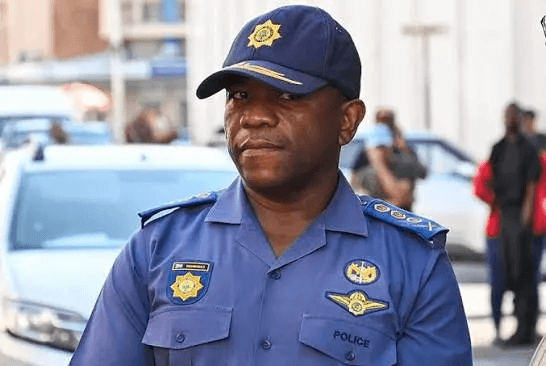
KwaZulu-Natal police commissioner Lt-Gen Nhlanhla Mkhwanazi says the Madlanga Commission’s final report must do more than diagnose problems in South Africa’s criminal justice system and must drive meaningful reform. He told journalists the interim report exposed deep issues and public scrutiny is already prompting discussion
KwaZulu-Natal police commissioner Lieutenant-General Nhlanhla Mkhwanazi says the Madlanga Commission of Inquiry must produce practical change in South Africa’s criminal justice system rather than merely document systemic problems.
Mkhwanazi spoke publicly on Tuesday during a festive season crime prevention oversight visit in KwaZulu-Natal, where Police Minister Firoz Cachalia, National Police Commissioner Fannie Masemola and other senior officials were present. He said the interim report submitted to President Cyril Ramaphosa highlighted deep-seated issues facing the justice system, but the real test will be whether the final findings lead to reform and accountability.
The Madlanga Commission was established after Mkhwanazi’s extraordinary public briefing in July, when he alleged corruption and political interference within the police and broader criminal justice system. His remarks prompted national debate and outrage and led to the formation of the commission of inquiry chaired by retired Constitutional Court justice Mbuyiseli Madlanga.
Mkhwanazi said the interim report has already helped focus attention on the scale of problems that have long frustrated law-enforcement officials and the public. He noted that police can investigate and arrest suspects, but when prosecutions, bail decisions and sentencing undermine these efforts, the public loses confidence in the entire system. “If the law says one thing but discretion is used to block justice, the public becomes dissatisfied,” he said.
The commissioner reiterated that the final commission report, expected in 2026, must go beyond diagnosis to recommend clear reforms that restore trust and ensure the criminal justice apparatus functions effectively. Mkhwanazi said President Ramaphosa has committed to releasing the final report and creating space for public engagement in the process.
The presidency has confirmed that the interim document submitted to the president in mid-December was not the final version and will not be made public. Some witnesses are expected to return to expand on earlier testimony, and the commission will complete its work next year.
Mkhwanazi’s comments come amid intense scrutiny of the commission’s work, including parallel inquiries by parliamentary committees and criticism from political parties about how his initial allegations are being handled in other forums. Despite this, he stands by his decision to speak out publicly in July, saying he has no regrets and emphasising the need for accountability across the criminal justice system.