


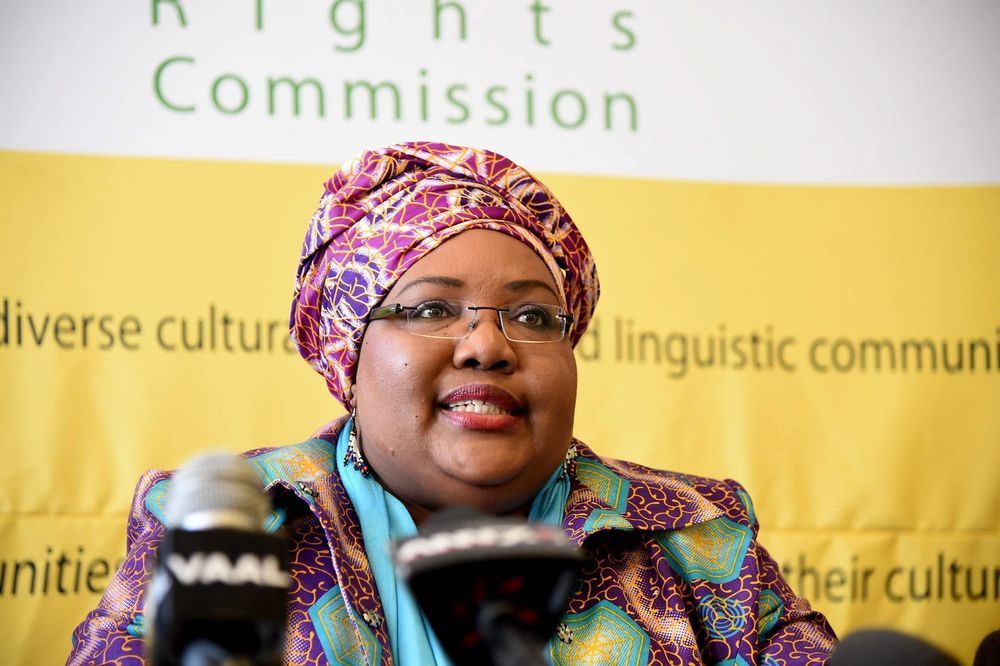

The South African Church Defenders have strongly criticised remarks by CRL Chairperson Thoko Mkhwanazi-Xaluva. Image: Supplied
Thoko Mkhwanazi-Xaluva
1Min
South Africa
Church defenders reject CRL chairperson’s call for religious regulation
The South African Church Defenders have strongly criticised remarks by CRL Chairperson Thoko Mkhwanazi-Xaluva, warning that proposed regulation of religion could undermine constitutional freedoms.

The South African Church Defenders (SACD) has expressed strong opposition to recent remarks by Thoko Mkhwanazi-Xaluva, cautioning against proposals to regulate religion in South Africa.
In a statement, SACD said it was “gravely concerned” about suggestions that incidents linked to so-called cultism could justify legislative intervention. The organisation described the remarks as constitutionally unsound and warned they could set a dangerous precedent.
Addressing claims that certain religious practices may lead to harm or death, SACD argued that this cannot justify broad state control over religion. It said such reasoning would require the regulation of various personal and cultural practices, including traditional healing, fasting, and individual health decisions.
The organisation emphasised that South Africa’s legal framework already provides remedies where harm occurs through criminal conduct, adding that there is no legal vacuum that necessitates additional regulation.
SACD also raised concerns about what it described as selective targeting by the Commission for the Promotion and Protection of the Rights of Cultural, Religious and Linguistic Communities, particularly towards religious institutions. It argued that similar patterns of influence exist in cultural and domestic settings, yet are not subjected to the same scrutiny.
Furthermore, the group criticised what it called a paternalistic approach, warning that it undermines the dignity and autonomy of South Africans by suggesting they are incapable of making their own decisions regarding religious beliefs.
The organisation cautioned that regulating religion based on perceived risks could open the door to broader state interference in personal belief systems, potentially affecting both fringe and mainstream religious groups.
Citing constitutional protections, SACD pointed to the rights to freedom of religion and association enshrined in the Constitution. It also referenced key court rulings, including Prince v President of the Law Society of the Cape of Good Hope and MEC for Education: KwaZulu-Natal v Pillay, which affirm the protection of religious diversity and minority beliefs.
SACD has called on the CRL Rights Commission to act within constitutional limits and refrain from pursuing regulatory measures that may infringe on fundamental rights.
The organisation reiterated that religious freedom remains a cornerstone of South Africa’s democracy and vowed to oppose any attempts to erode it through lawful means.